
Article: Understanding the Significance of Hindu Temple Worship: Rituals, Traditions & Spiritual Meaning

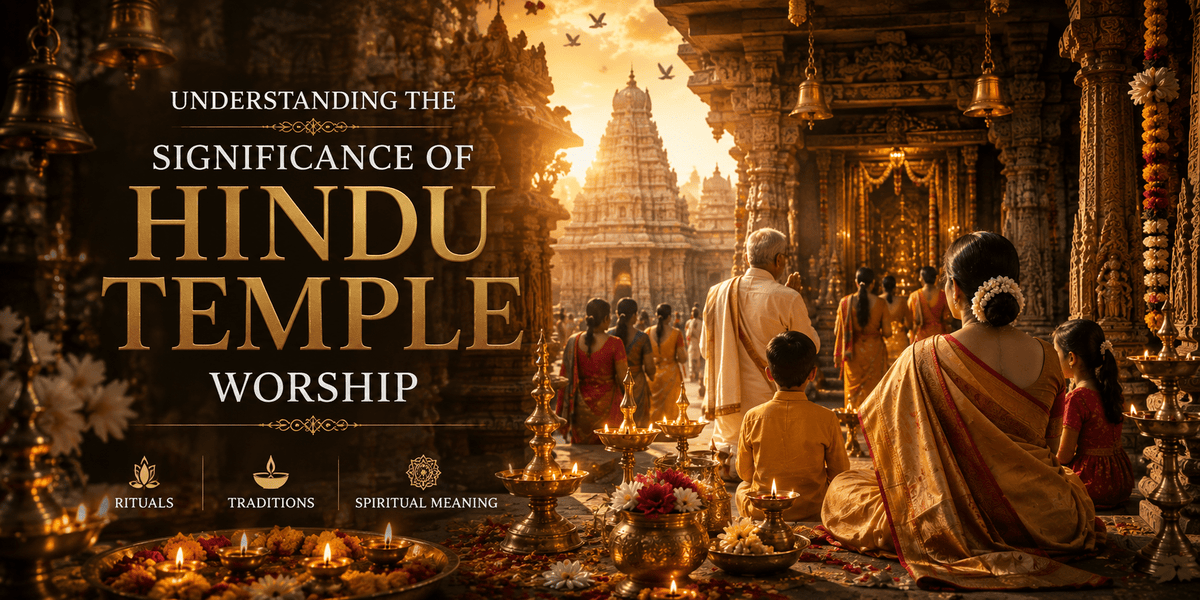
Understanding the Significance of Hindu Temple Worship: Rituals, Traditions & Spiritual Meaning
For millions of people across India, visiting a temple is an important part of spiritual and cultural life. The ringing of bells, the glow of a diya, the fragrance of incense and the offering of flowers create a familiar atmosphere of devotion.
But Hindu temple worship is about more than these visible rituals. Each practice has its own religious, cultural or symbolic meaning, and together they create a traditional form of worship that has been followed across generations.
Understanding the significance of Hindu temple worship can make a temple visit more meaningful while offering a glimpse into India's diverse spiritual traditions.
What Is Hindu Temple Worship?
Hindu temple worship is commonly known as puja, a devotional practice performed before a deity or sacred representation.
The exact rituals vary between temples, regions and traditions. Some temples follow elaborate ceremonies conducted by priests, while others allow devotees to participate more directly through offerings and prayer.
At its heart, temple worship is an expression of devotion, gratitude, reverence and spiritual reflection.
For many devotees, visiting a temple provides an opportunity to step away from everyday activities and focus their attention on prayer.
Why Is Temple Worship Important in Hinduism?
Temple worship can have both personal and communal significance.
People may visit temples to:
-
Offer prayers and express devotion
-
Seek blessings
-
Express gratitude
-
Participate in religious ceremonies
-
Celebrate festivals
-
Follow family traditions
-
Spend time in spiritual reflection
For some families, temple visits are part of regular life. For others, they may be connected with festivals, important occasions or pilgrimage.
The experience is therefore both deeply personal and connected to wider traditions.
Entering a Hindu Temple
Temple worship often begins with respectful preparation.
Depending on the temple, visitors may remove their footwear, wash their hands or feet, dress according to local customs and follow specific rules before entering.
Every temple has its own traditions, so visitors should follow the instructions provided at the site.
The transition from the outside environment into the temple can also encourage a more focused and respectful state of mind.
Temple architecture, devotional sounds, lamps and sacred imagery contribute to this atmosphere.
To understand the architectural traditions behind these sacred spaces, explore our guide to [the history and architecture of Indian temples].
The Significance of Darshan

(Devotee experiencing darshan before a decorated Hindu temple shrine)
Darshan is one of the central concepts associated with Hindu temple worship.
The term broadly refers to seeing and being seen by the deity. Devotees may stand before the sacred image or murti and offer their prayers.
For worshippers, darshan can represent a meaningful moment of connection with the divine.
The deity may be decorated with flowers, clothing and ornaments, particularly during festivals and special ceremonies.
Although darshan may last only a few moments in a busy temple, it can hold great personal significance.
The Meaning Behind Flowers, Diyas, Incense and Bells

(Brass puja thali with diyas flowers and traditional Hindu temple offerings)
Several familiar objects and practices are closely associated with Hindu worship.
Flowers
Flowers are commonly offered as expressions of devotion and reverence. They also traditionally represent beauty and purity and are widely used to decorate temples and sacred images.
Diyas
A diya, or traditional oil lamp, is frequently used during puja and aarti. Light is commonly associated with knowledge, clarity and the movement from darkness toward light.
Incense
Incense is traditionally used as an offering during worship. Its fragrance contributes to the ceremonial atmosphere of the temple.
Temple Bells
Devotees may ring a bell when entering a temple or approaching a shrine. The sound becomes part of the devotional environment and, in different traditions, is associated with focusing attention on worship.
Together, these elements create a distinctive sensory experience involving light, sound, fragrance and visual symbolism.
Understanding Aarti

(Hindu temple aarti ceremony with a traditional brass lamp and devotees)
Aarti is a devotional ceremony in which light from a lamp or flame is offered before a deity.
The lamp is traditionally moved in a circular motion while prayers, chants or devotional songs are performed.
Aarti may take place at particular times of the day or during special occasions and festivals.
For devotees, it can be both a personal and communal experience as worshippers gather together before the deity.
The form and timing of aarti can vary between temples and regional traditions.
The Importance of Prasad
After worship, devotees may receive prasad.
Prasad generally refers to food or another offering that has been presented during worship and is subsequently distributed to devotees.
It may include sweets, fruits or specially prepared food associated with a temple or festival.
Sharing prasad reflects the connection between worship, offering and community and is an important part of the temple experience for many devotees.
The Role of Pooja Utensils

(Handcrafted brass Hindu puja utensils arranged in a traditional temple setting)
Traditional Hindu worship also involves a variety of ritual objects and utensils.
These may include:
-
Puja thalis
-
Water vessels
-
Small bowls
-
Diyas
-
Bells
-
Incense holders
-
Aarti lamps
-
Containers for offerings
Brass, copper and bronze have long been used in Indian ritual craftsmanship. These materials can be shaped, engraved and decorated to create functional objects with distinctive traditional designs.
This connection between worship and craftsmanship is an important part of India's broader cultural heritage.
Learn more about [traditional Hindu pooja utensils,] and how they are used in worship.
Hindu Temple Worship During Festivals

(Devotees gathering for Hindu temple worship during an evening festival)
Temple worship often becomes more elaborate during major Hindu festivals.
During festivals such as Maha Shivratri, Janmashtami, Navratri, Ram Navami and Diwali, temples may be decorated with flowers, lamps and traditional decorations.
Special pujas, aartis and devotional gatherings may also take place.
Regional temple festivals add further diversity, with local traditions influencing music, food, decoration and ceremonial practices.
These celebrations demonstrate how worship can bring together devotion, community and cultural tradition.
Temple Worship and Pilgrimage

(Indian pilgrims walking toward a historic temple during a sacred journey)
Temple worship is also an important part of pilgrimage in India.
A pilgrimage may involve travelling to a sacred temple or group of temples, with the journey itself becoming part of the devotional experience.
Well-known pilgrimage traditions include the Char Dham Yatra and visits to the 12 Jyotirlinga temples.
Learn more about the [Char Dham Yatra] and the [12 Jyotirlinga temples in India].
If you are preparing for your first pilgrimage, our [guide to planning your first temple yatra] can help you understand the basic traditions and practical considerations involved.
How Temple Worship Differs Across India
Hindu temple worship is not identical throughout India.
Rituals, languages, music, offerings, festivals and ceremonial practices can vary considerably between regions.
A temple in South India may follow different traditions from one in the Himalayas, Gujarat, Odisha or West Bengal.
Yet practices such as prayer, darshan, offerings, lamps, aarti and prasad create connections between many different temple traditions.
This regional diversity is an important part of India's spiritual and cultural heritage.
How to Behave Respectfully in a Hindu Temple
A temple is an active sacred space, so visitors should be mindful of local customs.
Some basic practices include:
-
Follow the temple's dress requirements.
-
Remove footwear where required.
-
Respect photography restrictions.
-
Maintain appropriate noise levels.
-
Follow queues and designated pathways.
-
Do not interrupt ongoing rituals.
-
Follow instructions from temple staff or priests.
-
Respect local customs and devotees.
Rules can differ from one temple to another, so always check the specific requirements of the temple you are visiting.
Why Understanding Temple Worship Matters
Learning about Hindu temple worship helps visitors understand the meaning behind familiar practices.
Darshan represents an important devotional encounter. Flowers express reverence. The diya symbolizes light. Aarti brings worshippers together through ritual, light and prayer. Prasad represents the sharing of an offering.
These practices also demonstrate how traditions remain alive when they are practiced and passed from one generation to another.
Understanding the meaning behind them allows visitors to experience temples with greater awareness and respect.
Conclusion

(Three generations of an Indian family practicing temple worship together)
The significance of Hindu temple worship lies in the combination of devotion, ritual, symbolism and tradition.
From entering a temple respectfully and receiving darshan to offering flowers, lighting a diya, participating in aarti and receiving prasad, each practice contributes to the worship experience.
Although customs differ across India's regions and temples, they collectively reflect the diversity and continuity of Hindu traditions.
For devotees, temple worship can be a deeply personal expression of faith. For visitors, understanding these traditions provides a meaningful way to appreciate India's living spiritual and cultural heritage.
Frequently Asked Questions
1. What is the significance of Hindu temple worship?
Hindu temple worship provides a dedicated space for prayer, devotion, darshan and religious rituals. It also helps preserve family and cultural traditions.
2. What is darshan in a Hindu temple?
Darshan broadly refers to seeing and being seen by the deity. For devotees, it can represent a meaningful moment of connection and devotion.
3. Why are diyas used in Hindu worship?
Diyas are traditionally used during puja and aarti and are commonly associated with light, knowledge and clarity.
4. What is prasad?
Prasad is an offering, often food, that is presented during worship and then distributed among devotees.
5. What is aarti?
Aarti is a devotional ceremony in which light from a lamp or flame is offered before a deity, often accompanied by prayers or devotional songs.
6. Is Hindu temple worship the same throughout India?
No. Temple rituals and customs vary according to region, temple traditions, deities, festivals and religious practices.
7. How should visitors behave in a Hindu temple?
Visitors should follow the temple's specific rules, dress appropriately, respect ongoing rituals, observe photography restrictions and behave quietly and respectfully.
Read more
Why Temples Are Important in Indian Culture: Their Spiritual, Social & Cultural Significance
Why are temples important in Indian culture? Discover how Indian temples preserve spirituality, traditions, festivals, craftsmanship, architecture, pilgrimage and community heritage across generati...
Read more