


Complete Guide to Hindu Pooja Rituals & Daily Worship
1. Introduction
Every day, millions of Hindu families begin or end their day by lighting a diya, offering flowers, and chanting prayers. These simple yet meaningful rituals have been practiced for thousands of years, not merely as traditions but as a way to cultivate inner peace, gratitude, and a deeper connection with the divine. In today's fast-paced world, daily pooja offers a moment to pause, reflect, and bring positivity into our homes.
Hindu pooja is much more than a sequence of rituals. Every offering, mantra, and sacred object carries a symbolic meaning rooted in ancient wisdom. Whether you are setting up your first home mandir, learning about Hindu traditions, or looking to make your daily worship more meaningful, understanding the purpose behind these practices can enrich your spiritual journey. If you're setting up a home mandir, explore our Brass Pooja Essentials.
In this comprehensive guide, you'll discover the history and significance of Hindu pooja, its spiritual and cultural importance, the essential pooja items and their symbolism, a step-by-step guide to performing pooja at home, Vastu tips, the benefits of brass pooja items, common mistakes to avoid, and practical tips to make your daily worship more meaningful.
2. What Is Hindu Pooja?
 (Indian family performing daily Hindu pooja at a home temple with brass diya, flowers, incense, and handcrafted brass pooja accessories.)
Hindu pooja (also spelled puja) is a sacred act of worship through which devotees express their devotion, gratitude, and reverence to the Divine. Derived from the Sanskrit word Pūjā, meaning "to honor," "to worship," or "to show respect," pooja is one of the most fundamental spiritual practices in Hinduism. It serves as a bridge between the devotee and the deity, transforming everyday moments into acts of faith and mindfulness.
Unlike a ritual performed out of obligation, Hindu pooja is a deeply personal experience. Whether offered in a grand temple or a quiet corner of a home, its true essence lies in Bhakti (devotion), sincerity, and a pure heart. The Bhagavad Gita emphasizes that even the simplest offering—a leaf, a flower, a fruit, or water—is accepted by the Divine when presented with genuine devotion.
The tradition of pooja has its roots in the Vedic period, when sacred fire rituals (Yajnas) were performed to invoke divine blessings. Over time, these elaborate ceremonies evolved into the accessible forms of worship practiced in homes and temples today. While customs vary across regions, communities, and deities, the purpose remains the same: to seek spiritual growth, express gratitude, and invite peace and positivity into one's life.
A typical Hindu pooja includes lighting a diya, offering flowers, incense, water, fruits, or sweets, chanting mantras, and performing aarti. Each ritual carries symbolic meaning, reminding devotees to cultivate humility, purity, gratitude, and self-discipline in daily life.
Different Types of Hindu Pooja
Although the core purpose of worship remains the same, Hindu pooja can take different forms depending on the occasion and tradition:
-
Daily Pooja (Nitya Puja): A simple worship routine performed at home every day to seek blessings and maintain a spiritual connection.
-
Festival Pooja: Special rituals observed during festivals such as Diwali, Navratri, Janmashtami, Ganesh Chaturthi, and Maha Shivratri.
-
Temple Pooja: Ceremonies conducted by priests in temples, often following traditional Agamic or Vedic practices.
-
Personal or Occasion-Based Pooja: Rituals performed for specific purposes such as housewarming (Griha Pravesh), marriage, naming ceremonies, birthdays, or to mark important milestones.
Did You Know?
According to Hindu philosophy, the sincerity of your devotion is considered more important than the complexity of the ritual. Even a few minutes of heartfelt prayer offered with faith are believed to be spiritually meaningful.
3. History and Origin of Hindu Pooja
Understanding the origins of Hindu pooja helps us appreciate why these rituals continue to be an important part of daily life. While the way pooja is performed has evolved over thousands of years, its core purpose has always remained the same—to express devotion, seek divine blessings, and cultivate a spiritual connection.
From Vedic Fire Rituals to Home Worship
The roots of Hindu pooja can be traced back to the Vedic period (around 1500–500 BCE), when worship primarily consisted of Yajnas (fire sacrifices). These sacred rituals were performed by learned priests who offered ghee, grains, herbs, and other sacred materials into the fire while chanting Vedic mantras. Fire (Agni) was regarded as the divine messenger who carried these offerings to the gods.
As Hindu philosophy evolved, worship gradually became more personal and accessible. During the Puranic period, devotion (Bhakti) gained prominence, and people began worshipping deities through idols, sacred images, flowers, lamps, incense, and prayers instead of only performing elaborate fire rituals. This transformation made spiritual practice possible for every household, regardless of social status or resources.
The Rise of Bhakti and Personal Devotion
The Bhakti movement further transformed Hindu worship by emphasizing that sincere devotion is more valuable than elaborate ceremonies. Saints and spiritual teachers across India encouraged people to connect with the Divine through love, prayer, chanting, and selfless devotion rather than focusing solely on ritual complexity.
This philosophy continues to inspire millions of devotees today. Whether someone performs a simple five-minute morning prayer or an elaborate festival pooja, the intention behind the worship remains the most important element.
Why Home Pooja Became a Daily Tradition
As families began creating dedicated prayer spaces within their homes, daily pooja became an integral part of everyday life. Lighting a diya at sunrise or sunset, offering fresh flowers, chanting mantras, and performing aarti became simple yet meaningful ways to invite peace, gratitude, and positivity into the home.
These traditions have been lovingly passed down through generations, helping preserve India's rich spiritual and cultural heritage while strengthening family values and mindfulness.
Timeline of Hindu Pooja
|
Period |
Development in Worship |
|
Vedic Period |
Fire rituals (Yajnas) performed with Vedic mantras. |
|
Upanishadic Era |
Greater emphasis on meditation, self-realization, and inner spirituality. |
|
Puranic Period |
Idol worship, temple traditions, and devotional practices became widespread. |
|
Bhakti Movement |
Personal devotion, devotional songs, and accessible worship gained prominence. |
|
Modern Era |
Daily home pooja combines traditional rituals with contemporary lifestyles, making spiritual practice accessible to families around the world. |
Did You Know?
The word "Bhakti" comes from the Sanskrit root bhaj, which means "to share," "to participate," or "to devote oneself." In Hindu philosophy, Bhakti represents a loving and personal relationship between the devotee and the Divine.
4. Importance of Daily Pooja
In today's fast-paced world, setting aside even a few minutes each day for worship can bring a sense of balance, gratitude, and inner peace. Daily pooja is not just a religious ritual—it is a mindful practice that helps individuals reconnect with their spiritual values while creating a calm and positive environment at home.
In Hindu tradition, daily worship is considered a way to express gratitude for life's blessings and seek divine guidance before beginning the day. The simple acts of lighting a diya, offering flowers, chanting mantras, and sitting in silent prayer encourage discipline, mindfulness, and devotion. Over time, these small rituals become meaningful habits that nurture both spiritual and emotional well-being.
Beyond its religious significance, daily pooja also strengthens family bonds. When family members gather to pray together, they pass on traditions, values, and stories to younger generations, preserving India's rich cultural heritage while creating moments of togetherness.
5.Spiritual Benefits of Daily Pooja
Daily worship is believed to bring the devotee closer to the Divine through regular remembrance and sincere devotion. Rather than asking only for material blessings, pooja encourages qualities such as humility, compassion, patience, and gratitude.
Many devotees believe that consistent worship helps:
-
Deepen faith and spiritual awareness.
-
Create a peaceful and sacred atmosphere at home.
-
Develop gratitude for everyday blessings.
-
Encourage positive thoughts and righteous actions.
-
Strengthen self-discipline through a consistent spiritual routine.
As highlighted in Hindu philosophy, the value of pooja lies not in elaborate rituals but in the sincerity and devotion with which they are performed.
How Daily Pooja Builds Positive Habits
Explain that daily worship encourages:
-
Consistency
-
Gratitude
-
Mindfulness
-
Self-discipline
-
Reflection
This connects ancient traditions with modern lifestyles.
Mental and Emotional Benefits
Although pooja is primarily a spiritual practice, many of its elements align with habits that support emotional well-being.
For example:
-
Lighting a diya creates a peaceful focal point that encourages mindfulness.
-
Chanting mantras promotes steady breathing and concentration.
-
Silent prayer or meditation offers a few moments of reflection away from daily distractions.
-
Practicing gratitude helps cultivate a more positive mindset.
While these practices may help people feel calmer and more focused, individual experiences vary. They are not a substitute for medical or mental health care when needed.
Cultural and Family Significance
Daily pooja also plays an important role in preserving cultural traditions. Children often learn prayers, festival customs, and the significance of different rituals by observing parents and grandparents during worship.
Whether celebrating Diwali, Navratri, Janmashtami, Ganesh Chaturthi, or simply performing a daily morning pooja, these shared rituals strengthen family connections and keep traditions alive across generations.
Why Consistency Matters More Than Complexity
One of the most beautiful teachings in Hinduism is that sincere devotion is more important than elaborate ceremonies. A simple prayer offered with a pure heart can be just as meaningful as an extended ritual.
Even if your daily schedule is busy, spending 10 to 15 minutes in prayer, gratitude, and reflection can become a powerful habit that brings calmness, purpose, and spiritual fulfillment to everyday life.
Key Benefits of Daily Hindu Pooja
|
Benefit |
How It Helps |
|
Spiritual Growth |
Strengthens your relationship with the Divine through regular worship. |
|
Inner Peace |
Encourages mindfulness, reflection, and emotional balance. |
|
Positive Home Environment |
Creates a calm and sacred atmosphere for the family. |
|
Gratitude |
Develops appreciation for life's blessings. |
|
Self-Discipline |
Builds a meaningful daily routine rooted in devotion. |
|
Cultural Preservation |
Helps pass on Hindu traditions and values to future generations. |
|
Family Bonding |
Encourages families to spend meaningful time together during prayer. |
Did You Know?
Many Hindu households perform pooja at sunrise or sunset, as these transitional times of the day are traditionally considered especially peaceful for prayer and reflection.
6. Essential Pooja Items for Home (Meaning & Symbolism)
Every item used in Hindu pooja carries a symbolic meaning that reflects important spiritual values such as purity, gratitude, wisdom, and devotion. While traditions may vary, these essential pooja items are commonly found in Hindu homes and temples, helping devotees perform worship with sincerity and mindfulness.
 (Essential Hindu pooja items including brass diya, pooja thali, kalash, bell, incense, flowers, kumkum, and prasad arranged for worship.)
Then use a richer table:
|
Pooja Item |
Purpose |
Spiritual Symbolism |
|
Used to light the sacred flame. |
Represents the triumph of knowledge over ignorance and positivity over negativity. |
|
|
Deity Idol or Image |
The central focus of worship. |
Helps devotees connect with the Divine through faith and devotion. |
|
Pooja Thali |
Organizes all pooja essentials. |
Symbolizes order, preparation, and respect during worship. |
|
Bell (Ghanti) |
Rung before and during pooja. |
Awakens the mind and creates a sacred atmosphere for prayer. |
|
Kalash |
Filled with water during rituals. |
Represents abundance, purity, and divine energy. |
|
Flowers |
Offered to the deity. |
Symbolize beauty, purity, and unconditional devotion. |
|
Incense (Agarbatti/Dhoop) |
Creates a fragrant environment. |
Represents purification and prayers rising toward the Divine. |
|
Kumkum & Chandan |
Used for tilak and rituals. |
Symbolize blessings, auspiciousness, and spiritual awareness. |
|
Prasad |
Food offered to the deity. |
Represents gratitude and sharing divine blessings. |
Additional Items Used During Special Poojas
-
Cotton Wicks (Batti)
-
Ghee or Sesame Oil
-
Camphor
-
Panchamrit
-
Coconut
-
Mango Leaves
-
Tulsi Leaves (where appropriate)
-
Sacred Cloth
This makes the section much more complete.
7. How to Perform Hindu Pooja at Home (Step-by-Step)
Performing Hindu pooja at home doesn't require elaborate rituals or expensive preparations. What matters most is devotion, sincerity, and a peaceful state of mind. Even a simple daily pooja performed with faith can become a meaningful spiritual practice that brings positivity and mindfulness into your life.
Whether you're performing pooja every morning or only on special occasions, following a structured routine helps create a calm and focused worship experience.
 (Hands lighting a handcrafted brass diya during daily Hindu pooja with flowers, incense, and pooja thali in a home temple.)
Step 1: Prepare Yourself and the Worship Space
Before beginning pooja, cleanse yourself by taking a bath or washing your hands, feet, and face. Wear clean, comfortable clothes and approach the prayer space with a calm and respectful mindset.
Similarly, ensure your home temple or pooja area is clean and organized. Dust the altar, wipe the idols and pooja items gently, and remove any stale flowers or previous offerings.
Why it matters: Cleanliness symbolizes purity and prepares both the body and mind for worship
Step 2: Arrange the Pooja Essentials
Place your deity's idol or framed image on the altar. Arrange the essential pooja items neatly so they are easily accessible during the ritual.
Your daily setup may include:
-
Brass diya
-
Pooja thali
-
Bell (Ghanti)
-
Incense holder
-
Kalash (optional)
-
Kumkum and chandan
-
Fresh flowers
-
Fruits or sweets for prasad
-
Camphor for aarti (optional)
Keeping everything ready beforehand allows you to focus on prayer instead of searching for items during the pooja.
Step 3: Light the Diya and Incense
Light the diya using ghee or oil, followed by incense sticks or dhoop.
The diya represents the victory of light over darkness, while the gentle fragrance of incense creates a peaceful atmosphere that encourages concentration and devotion.
Many devotees begin this step by offering a silent prayer and expressing gratitude before continuing with the ritual.
Step 4: Invoke the Deity
Fold your hands and respectfully invite the presence of your chosen deity into your worship.
You may chant a simple prayer or mantra according to your family tradition. Even a few moments of silent prayer are meaningful when offered with sincerity.
If you worship multiple deities, begin with Lord Ganesha, who is traditionally invoked before many Hindu rituals, followed by your chosen deity or family deity (Kuladevata), if applicable.
Step 5: Offer Flowers, Water, and Prasad
Offer fresh flowers, clean water, fruits, or homemade sweets to the deity.
Each offering carries symbolic meaning:
-
Flowers represent devotion and purity.
-
Water symbolizes respect and hospitality.
-
Fruits and sweets express gratitude and sharing.
The value of the offering lies in the devotion behind it rather than its material worth.
Step 6: Chant Mantras or Read Sacred Texts
Recite mantras, shlokas, or devotional hymns according to your tradition.
Some commonly recited texts include:
-
Bhagavad Gita verses
-
Hanuman Chalisa
-
Vishnu Sahasranama
-
Shiva Panchakshari Mantra
-
Gayatri Mantra
If you're new to daily pooja, begin with a short prayer and gradually build your routine over time.
Step 7: Perform Aarti
Light camphor or use the diya to perform aarti by moving it in gentle clockwise circles before the deity.
Many devotees also ring the bell while singing devotional hymns.
Aarti symbolizes offering one's complete devotion to the Divine and expressing gratitude for guidance and blessings.
Step 8: Spend a Few Minutes in Silent Prayer
After completing the rituals, sit quietly for two to five minutes.
Use this time to:
-
Express gratitude.
-
Pray for your family.
-
Reflect on your actions.
-
Seek strength and wisdom for the day ahead.
This quiet reflection is often one of the most peaceful moments of the entire pooja.
Step 9: Receive and Share Prasad
Conclude your pooja by offering your respects to the deity and distributing the prasad among family members.
Sharing prasad symbolizes receiving divine blessings and spreading positivity, gratitude, and joy within the household.
A Simple Morning Pooja Routine (10–15 Minutes)
|
Time |
Activity |
|
2 minutes |
Clean the altar and prepare the pooja space |
|
2 minutes |
Light the diya and incense |
|
3 minutes |
Offer flowers, water, and prasad |
|
4 minutes |
Chant prayers or mantras |
|
2 minutes |
Perform aarti and silent meditation |
|
1 minute |
Distribute prasad and conclude the worship |
This routine is ideal for those with busy schedules who still wish to maintain a consistent daily worship practice.
8. Common Hindu Pooja Rituals Explained
Although pooja traditions vary across regions and families, several rituals are commonly performed during daily worship. Each ritual has its own spiritual meaning and contributes to creating a peaceful and devotional atmosphere.
Lighting the Diya
The diya symbolizes the removal of ignorance and the arrival of wisdom. Lighting it marks the beginning of worship and is believed to invite positivity into the home.
Ringing the Bell
The sacred sound of the bell helps devotees concentrate on prayer and symbolizes awakening the inner consciousness.
Offering Flowers
Flowers express love, devotion, and respect towards the deity. Fresh flowers remind devotees of the beauty and impermanence of life.
Applying Tilak
Applying kumkum or sandalwood paste represents spiritual awareness and is considered a blessing from the Divine.
Chanting Mantras
Sacred mantras help calm the mind, improve concentration, and create a spiritual atmosphere during worship.
Offering Naivedya
Fruits, sweets, or homemade food are first offered to the deity before being shared as Prasad. This ritual teaches gratitude and humility.
Performing Aarti
Aarti is performed by rotating a lit diya or camphor before the deity while singing devotional hymns. It represents complete surrender and devotion.
Silent Prayer and Meditation
After the rituals, many devotees spend a few moments in silence, reflecting on gratitude and seeking strength, wisdom, and peace.
9. Why Brass Pooja Items Are Preferred
Brass has been an integral part of Hindu worship for centuries. Its durability, timeless appearance, and association with traditional rituals make it one of the most preferred materials for pooja items.
Unlike many modern materials, brass develops a beautiful natural patina over time while remaining strong enough for daily use. From diyas and bells to pooja thalis and idols, brass combines practicality with spiritual significance.
 (Handcrafted brass pooja items including brass diya, pooja thali, kalash, bell, and incense holder displayed on a traditional altar.)
Why Families Choose Brass
-
Long-lasting and durable
-
Traditional choice for Hindu worship
-
Elegant golden appearance
-
Suitable for everyday and festive poojas
-
Easy to maintain with regular cleaning
-
Often passed down through generations as family heirlooms
Choosing high-quality brass pooja items helps create a sacred space that reflects both tradition and craftsmanship.
Explore our collection of Brass Pooja Accessories to find timeless essentials for your home temple and daily worship
How to Care for Brass Pooja Items
Brass pooja items can retain their beauty and functionality for years when cared for properly. Regular cleaning not only preserves their shine but also helps maintain a clean and respectful worship space.
Easy Cleaning Tips
-
Clean brass pooja items every one to two weeks if used daily.
-
Use a paste made from lemon and salt or tamarind pulp to remove tarnish naturally.
-
Rinse thoroughly with clean water and dry immediately with a soft cotton cloth.
-
Avoid abrasive scrubbers or harsh chemical cleaners that may damage the surface.
-
Store brass items in a dry place to prevent moisture-related tarnishing.
-
Polish occasionally with a soft cloth to restore their natural shine.
Maintenance Tip: Always ensure brass diyas and lamps are completely cool before cleaning them after use.
10. Brass vs Copper vs Silver Pooja Items
Different metals have been used in Hindu worship for generations, and each has its own significance. The best choice depends on personal preference, tradition, and intended use.
|
Feature |
Brass |
Copper |
Silver |
|
Durability |
Excellent |
Good |
Excellent |
|
Maintenance |
Easy |
Requires frequent polishing |
Moderate |
|
Daily Use |
Highly Recommended |
Common |
Mostly for special occasions |
|
Appearance |
Warm golden finish |
Reddish metallic finish |
Elegant silver finish |
|
Cost |
Affordable |
Moderate |
Premium |
Which One Should You Choose?
-
Brass is ideal for everyday worship because it is durable, attractive, and easy to maintain.
-
Copper is traditionally used for Kalash, lotas, and water vessels.
-
Silver is often reserved for festivals, special ceremonies, or heirloom pieces.
11. Vastu Tips for Your Home Temple
According to Vastu principles, the location and maintenance of your home temple can help create a peaceful and harmonious environment. While family traditions differ, these commonly followed guidelines can help you organize your sacred space thoughtfully.
Vastu Guidelines
-
Place the home temple in the north-east (Ishan) direction, if possible.
-
Face east or north while performing pooja.
-
Keep the pooja area clean and clutter-free.
-
Avoid placing the temple directly inside a bedroom or under a staircase.
-
Replace broken idols or damaged pooja items respectfully.
-
Use soft lighting and fresh flowers to maintain a peaceful atmosphere.
You can also complement your sacred space with thoughtfully designed Home Temple Décor that blends traditional craftsmanship with modern aesthetics.
Note: Vastu practices vary, and many families follow traditions that have been passed down through generations. The most important aspect of worship remains devotion and sincerity.
12. Common Mistakes to Avoid During Daily Pooja
Even small habits can affect the overall worship experience. Avoiding these common mistakes helps maintain the sanctity of your home temple.
-
Using stale flowers or spoiled offerings.
-
Performing pooja in a cluttered space.
-
Leaving the diya unattended.
-
Keeping broken idols or damaged worship items.
-
Rushing through prayers without concentration.
-
Treating rituals as obligations rather than moments of gratitude.
-
Forgetting to sit quietly for a few moments after completing the pooja.
13. Daily Pooja Checklist
Before beginning your daily worship, use this simple checklist to ensure everything is ready.
✅ Clean the pooja room or altar
✅ Wear clean clothes
✅ Arrange the deity idol or image
✅ Light the diya
✅ Light incense or dhoop
✅ Offer fresh flowers
✅ Offer water and prasad
✅ Chant prayers or mantras
✅ Perform aarti
✅ Spend a few moments in silent prayer
✅ Distribute prasad among family members
Following this checklist helps establish a peaceful and consistent daily worship routine.
14. Dos and Don'ts of Daily Pooja
Dos
-
Keep the pooja room clean and organized.
-
Use fresh flowers and clean offerings.
-
Maintain brass pooja items regularly.
-
Pray with sincerity and concentration.
-
Follow your family's traditions with respect.
-
Light the diya safely and mindfully.
Don'ts
-
Don't offer stale flowers or spoiled food.
-
Don't keep broken idols in the home temple.
-
Don't perform pooja in a hurried manner.
-
Don't clutter the altar with unnecessary items.
-
Don't neglect the regular cleaning of pooja accessories.
-
Don't compare your worship with others; devotion is personal.
15. Frequently Asked Questions (FAQs)
1. What is the best time to perform Hindu pooja?
Morning during Brahma Muhurta or shortly after sunrise is traditionally considered ideal. Many families also perform evening pooja at sunset.
2. Can I perform pooja without a priest?
Yes, Daily pooja can be performed by anyone with devotion and sincerity.
3. Why are brass pooja items commonly used?
Brass is durable, traditionally associated with Hindu worship, and suitable for daily rituals.
4. Which direction should I face during pooja?
Facing east or north is commonly recommended in many traditions.
5. Can I perform pooja every day?
Yes,Even a simple prayer performed daily is considered spiritually meaningful.
6. What are the essential pooja items?
A diya, deity idol or image, flowers, incense, bell, pooja thali, kumkum, chandan, and prasad are commonly used.
7. Can pooja be performed in the evening?
Yes. Evening pooja, especially during sunset, is a common practice in many Hindu households.
8. How do I clean brass pooja items?
Use natural cleaners like lemon and salt or tamarind paste, rinse with water, and dry thoroughly with a soft cloth to maintain their shine.
9.Can I perform pooja without flowers?
Yes. While flowers are traditionally offered as a symbol of devotion, sincere prayer is considered more important than any specific offering.
10.Which oil is best for lighting a diya?
Many families use sesame oil or cow's ghee for daily worship, although the choice often depends on regional and family traditions.
11.How many diyas should I light during daily pooja?
There is no fixed rule. Many households light one diya daily, while more may be used during festivals or special occasions.
12.Can children participate in daily pooja?
Yes. Involving children in simple rituals helps them learn family traditions, values, and the importance of gratitude.
13.What should I do if I miss my daily pooja?
If you miss a day, simply resume your regular practice the next day. Hindu traditions generally emphasize sincerity and consistency over perfection.
14.Can I perform pooja while traveling?
Yes. A short prayer, meditation, or chanting a mantra can help maintain your spiritual routine even when you're away from home.
15.How often should brass pooja items be cleaned?
Brass items used daily should be cleaned regularly to remove oil residue, soot, and tarnish. A gentle cleaning every one to two weeks is sufficient for most households.
 (Elegant home temple with handcrafted brass pooja essentials, lit diya, flowers, incense, and brass kalash creating a peaceful spiritual atmosphere.)
16. Conclusion
Hindu pooja is more than a daily ritual—it is a meaningful practice that nurtures devotion, gratitude, and inner peace. Whether you perform a simple morning prayer or celebrate elaborate festivals, the true essence of worship lies in the sincerity of your heart and the consistency of your practice.
By understanding the significance of each ritual, choosing thoughtfully crafted pooja essentials, and maintaining a clean and peaceful home temple, you can create a spiritual space that inspires mindfulness and strengthens family traditions.
As you continue your spiritual journey, remember that every lit diya, every offered flower, and every heartfelt prayer is an opportunity to connect with the Divine. A well-prepared pooja space with quality brass pooja items can enhance your worship experience while preserving the timeless traditions of Hindu culture for generations to come
If you're planning to create or upgrade your home mandir, explore our collection of Brass Pooja Essentials crafted for daily worship and festive celebrations.
Read more
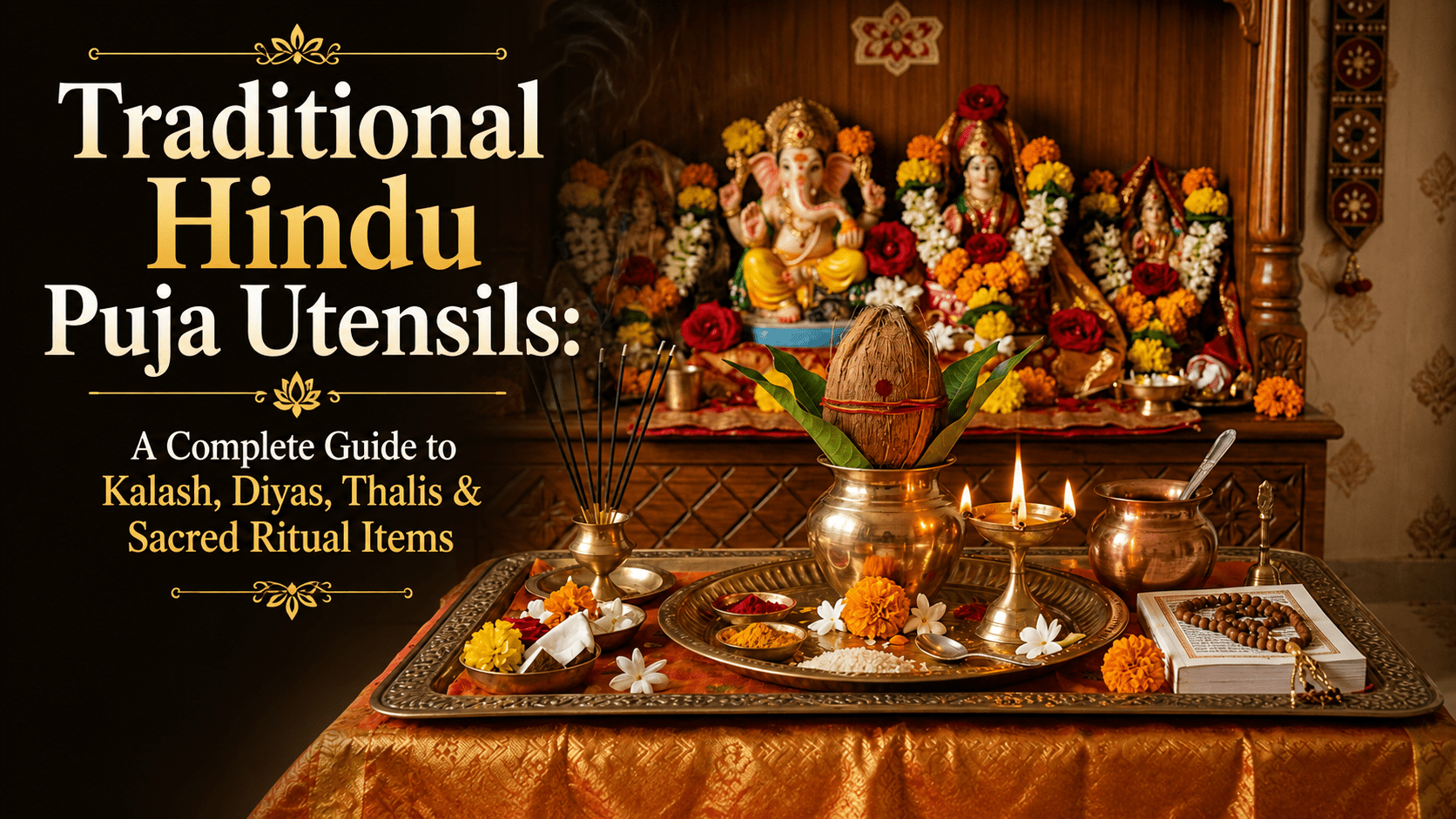
Exploring Hindu Puja Tools: A Guide to Sacred Utensils & Ritual Items
Learn about traditional Hindu puja utensils, including Kalash, diyas, puja thalis, lotas, and other sacred ritual items. Discover their significance, uses, and role in Hindu worship and festivals.
Read more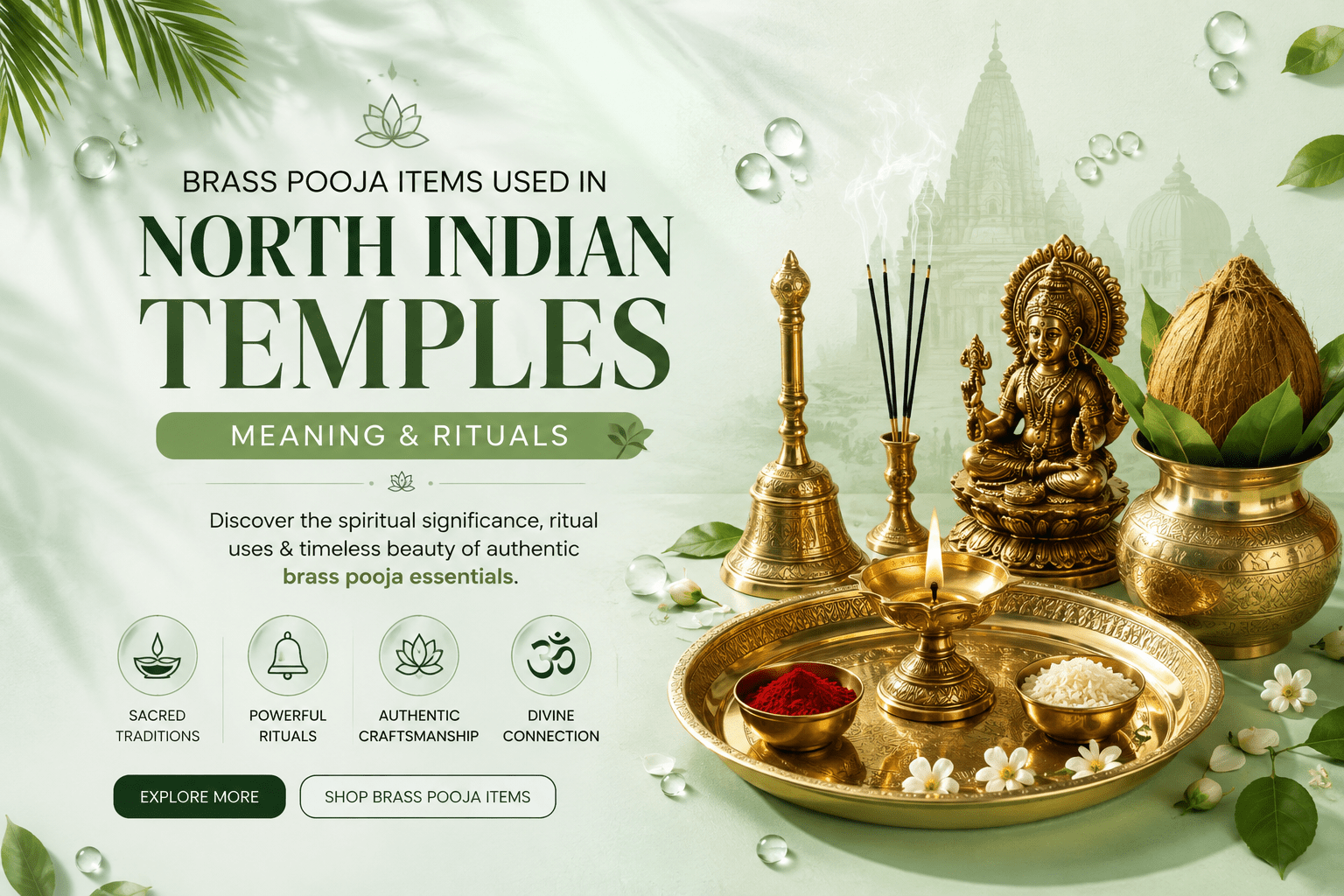
Brass Pooja Items Used in North Indian Temples: Meaning & Rituals | Royal Stuffs
Discover the meaning, symbolism, and rituals of brass pooja items used in North Indian temples. Learn about diyas, bells, kalash, pooja thalis, their spiritual significance, and how to choose authe...
Read more