Skip to content

Cart

Your cart is empty

Article: Sawan: The Sacred Month of Lord Shiva – History, Traditions & Spiritual Significance

Sawan: The Sacred Month of Lord Shiva – History, Traditions & Spiritual Significance - Royalstuffs.com

Sawan: The Sacred Month of Lord Shiva – History, Traditions & Spiritual Significance

Introduction

As the first monsoon showers kiss the earth, the fragrance of wet soil fills the air, peacocks dance in delight, and temples resonate with the divine chant of "Om Namah Shivaya." Across India, millions of devotees prepare for one of the most spiritually significant periods in the Hindu calendar—Sawan, also known as Shravan Maas.

Far more than a season of rain, Sawan is a time of devotion, self-reflection, and spiritual awakening. It is believed that during this sacred month, the blessings of Lord Shiva, the Supreme Yogi and the destroyer of negativity, are especially accessible to sincere devotees. From observing Sawan Somwar Vrat (Monday fasts) to performing Shiva Abhishek, offering Bilva leaves, and chanting powerful mantras, every ritual performed during this month carries profound spiritual meaning.

The arrival of Sawan transforms not only temples but also homes. Families wake before sunrise to prepare for worship, devotees undertake the revered Kanwar Yatra, and sacred rivers witness countless pilgrims collecting holy water to offer at Shiva temples. These centuries-old traditions continue to unite generations through faith, discipline, and devotion.

Yet the true essence of Sawan extends beyond rituals alone. It is a sacred invitation to pause, reconnect with nature, cultivate inner peace, and strengthen one's relationship with the Divine. Every offering made to Lord Shiva symbolizes the surrender of ego, purification of the mind, and the pursuit of a balanced life rooted in humility and compassion.

In this comprehensive guide, we explore the history of Sawan, its mythological origins, spiritual significance, Shiva worship rituals, and the timeless traditions that have made Shravan Maas one of Hinduism's most revered months.If you're interested in learning more about Hindu traditions and festivals, explore our Divine Knowledge Hub for in-depth guides on rituals, spirituality, and sacred celebrations. 

You'll also discover the symbolism behind sacred offerings, understand why brass pooja items have been cherished in Hindu worship for generations, and learn how to create a meaningful Shiva Puja experience at home.

Whether you are observing Sawan for the first time or have celebrated it for years, understanding the deeper meaning behind its rituals transforms worship from a routine practice into a profound spiritual journey.


What Is Sawan (Shravan Maas)?

Sawan, traditionally known as Shravan Maas, is the fifth month of the Hindu lunar calendar and one of the holiest periods dedicated to the worship of Lord Shiva. The name "Shravan" originates from the Shravana Nakshatra, one of the twenty-seven lunar constellations, which is associated with this month according to traditional Hindu astronomy.

Occurring during the heart of India's monsoon season, Sawan represents much more than a change in weather. The cooling rains nourish the earth after the intense summer heat, rivers flow with renewed energy, forests become lush and vibrant, and life flourishes once again. Ancient Hindu sages saw this transformation in nature as a powerful reflection of inner renewal. Just as the rains cleanse the land, Sawan encourages devotees to cleanse the mind, heart, and soul through prayer, fasting, meditation, and righteous living.

The spiritual practices observed during Sawan are closely connected with traditional Hindu worship, where sacred utensils and offerings play an important role. You can also explore our guide on Brass Pooja Items Used in North Indian Temples: Meaning & Rituals to understand their significance.

This sacred month is especially dedicated to Lord Shiva because several revered legends from Hindu scriptures connect Him with Shravan Maas. It is believed that prayers, acts of devotion, charity, and spiritual practices performed during Sawan bring immense blessings, remove obstacles, and guide devotees toward inner peace and spiritual progress.

Why Is Sawan So Spiritually Significant?

Unlike many festivals celebrated on a single day, Sawan spans an entire month, offering devotees a sustained period of spiritual discipline and self-improvement. Throughout this time, people consciously simplify their lives by embracing purity in thought, speech, and action. Many observe vegetarian diets, avoid negative habits, dedicate time to prayer, and practice compassion through charity and service.

Mondays, known as Sawan Somwar, hold special importance because they are traditionally dedicated to Lord Shiva. Temples witness long queues of devotees offering water, milk, Bilva leaves, flowers, and prayers to the Shivling, seeking blessings for health, prosperity, wisdom, harmonious relationships, and spiritual growth.

The significance of Sawan is not limited to temple rituals. It also serves as a reminder of humanity's deep connection with nature. The monsoon breathes new life into the earth, reinforcing Hindu philosophy's timeless message that the Divine resides not only within temples but throughout creation—in rivers, mountains, trees, animals, and every living being.

This harmonious relationship between nature and spirituality is one of the reasons Sawan continues to inspire millions of devotees across generations. It is a month that encourages gratitude, mindful living, and the realization that true devotion lies not merely in rituals but in cultivating purity, compassion, and balance in everyday life.


The Mythological Origins of Sawan

(Lord Shiva drinking the Halahala poison during Samudra Manthan as gods and demons churn the cosmic ocean with Mount Mandara and Vasuki, symbolizing the origin of Sawan and Shiva's supreme sacrifice.)

Every sacred festival in Hinduism carries a story that transcends time, and Sawan (Shravan Maas) is no exception. While the arrival of the monsoon marks the beginning of this holy month, its spiritual importance is deeply rooted in ancient Hindu scriptures and timeless legends that continue to inspire millions of devotees.

Among these, two stories stand above all others—the Samudra Manthan (Churning of the Ocean) and the unwavering devotion of Goddess Parvati. Together, they explain why Sawan became the most sacred month for the worship of Lord Shiva, the compassionate protector who sacrifices for the welfare of the universe.


The Legend of Samudra Manthan and Lord Shiva's Supreme Sacrifice

One of the most profound stories associated with Sawan is described in the Bhagavata Purana, Vishnu Purana, and several other Hindu scriptures—the legendary Samudra Manthan, or the Churning of the Cosmic Ocean.

According to the scriptures, the Devas (gods) and Asuras (demons) temporarily joined forces to churn the celestial ocean in search of Amrit, the divine nectar of immortality. Using Mount Mandara as the churning rod and Vasuki, the king of serpents, as the rope, they began this extraordinary cosmic event.

As the ocean was churned, many divine treasures emerged, including the celestial elephant Airavata, the wish-fulfilling tree Kalpavriksha, Goddess Lakshmi, the moon Chandra, and the divine physician Dhanvantari carrying the pot of nectar.

However, before these blessings appeared, a terrifying poison called Halahala surfaced from the depths of the ocean.

The poison was so deadly that it threatened to destroy all creation. Its fumes spread rapidly across the heavens and the earth, causing immense fear among gods, sages, and every living being. Unable to stop its destructive power, they sought refuge in Lord Shiva, who is revered as the compassionate protector of the universe.

Without hesitation, Lord Shiva accepted the burden of saving creation.

He consumed the deadly Halahala poison, preventing it from spreading further. Seeing the danger to her beloved, Goddess Parvati gently held His throat, ensuring the poison remained there instead of entering His body. As a result, Shiva's throat turned a deep blue, earning Him the revered name Neelkanth, meaning "the one with the blue throat."

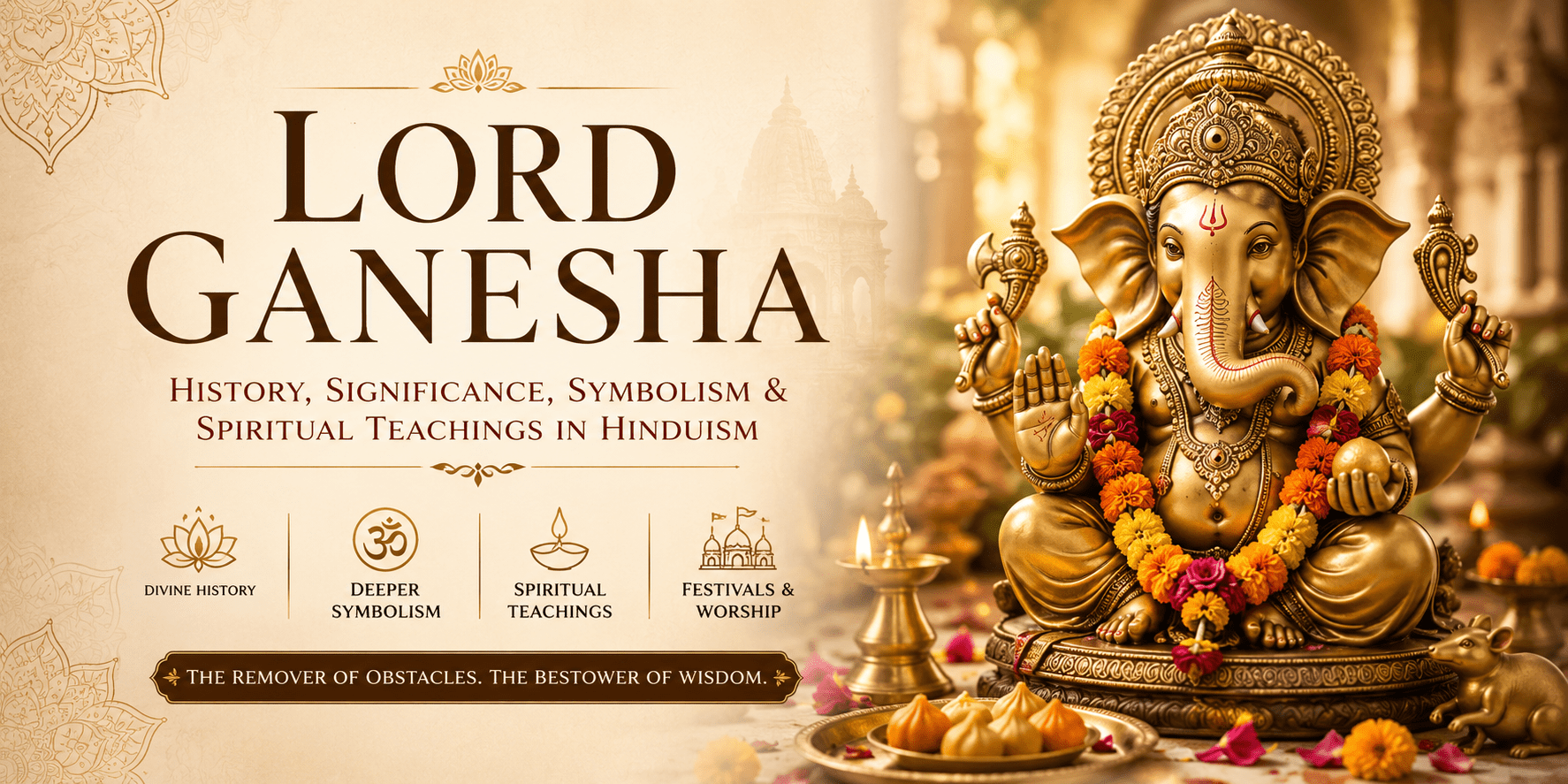
Devotees often worship Lord Shiva alongside Lord Ganesha before beginning any sacred ritual. Learn more about Lord Ganesha's history, symbolism, and spiritual teachings in our detailed guide.

This act symbolizes one of the greatest lessons in Hindu philosophy—true divinity lies in selfless sacrifice, compassion, and the willingness to protect others without expecting anything in return.


Why Water Is Offered to Lord Shiva During Sawan

After consuming the intense poison, Lord Shiva's body is believed to have generated immense heat. To soothe Him, the Devas continuously offered pure water from sacred rivers, along with milk and cooling substances.

This tradition continues even today.

Throughout Sawan, devotees perform Jal Abhishek, lovingly pouring water over the Shivling while chanting "Om Namah Shivaya." Many also offer milk, curd, honey, sandalwood paste, and sacred Bilva leaves as symbols of devotion, gratitude, and surrender.

The famous Kanwar Yatra is closely connected to this belief. Millions of devotees, known as Kanwariyas, travel long distances on foot to collect holy water from rivers such as the Ganga and carry it in decorated kanwars before offering it to Lord Shiva. This pilgrimage represents faith, discipline, and unwavering devotion.

Thus, every drop of water offered during Sawan is more than a ritual—it is a remembrance of Lord Shiva's immense compassion and His sacrifice for the well-being of the universe.


Goddess Parvati's Penance: A Story of Faith and Determination

Another sacred legend that gives Sawan its profound significance is the story of Goddess Parvati, the Divine Mother and the eternal consort of Lord Shiva.

According to the Shiva Purana, Goddess Parvati was born as the daughter of King Himavan after Goddess Sati relinquished her earthly form. From a young age, Parvati was determined to marry Lord Shiva, recognizing Him as her eternal companion.

However, winning the heart of the great ascetic was no easy task.

Lord Shiva remained immersed in deep meditation, detached from worldly desires and material pleasures. To prove the sincerity of her devotion, Parvati undertook years of intense penance, unwavering meditation, and strict spiritual discipline.

She endured scorching summers, freezing winters, and heavy rains with remarkable patience, dedicating every thought and prayer to Lord Shiva.

Her devotion never weakened.

Deeply moved by her steadfast faith, humility, and perseverance, Lord Shiva finally accepted Parvati as His divine consort. Their sacred union symbolizes the harmony of Shiva and Shakti—consciousness and energy, stillness and creation, wisdom and compassion.

Because of this legend, Sawan is regarded as an especially auspicious month for prayers related to marriage, harmonious relationships, and family well-being. Many unmarried women observe Sawan Somwar Vrat, praying for a virtuous life partner, while married women seek the blessings of Lord Shiva and Goddess Parvati for a happy, healthy, and prosperous married life.

More importantly, Parvati's story teaches that true devotion is not measured by grand rituals alone but by patience, perseverance, sincerity, and unwavering faith.


Why Sawan Became the Sacred Month of Lord Shiva

The sacredness of Sawan is not attributed to a single event but to the convergence of profound spiritual traditions preserved over centuries.

It is the month that commemorates Lord Shiva's selfless act of protecting the universe during Samudra Manthan, celebrates the divine union of Shiva and Parvati, and coincides with the rejuvenating monsoon season—a time when nature itself reflects renewal and abundance.

For devotees, Sawan is therefore much more than a religious observance.

It is a sacred opportunity to:

  • Purify the mind through prayer and meditation.
  • Practice self-discipline through fasting and righteous living.
  • Cultivate compassion, humility, and gratitude.
  • Deepen one's connection with Lord Shiva through sincere devotion.
  • Seek inner transformation rather than merely material blessings.

These timeless stories continue to inspire millions because they remind us that true spirituality is not found only in temples or rituals—it is found in selfless actions, steadfast faith, and the courage to choose compassion over selfishness.


Why Sawan Is the Sacred Month of Lord Shiva

The arrival of Sawan marks more than the beginning of a new month in the Hindu calendar—it signals a season of devotion, discipline, and spiritual transformation. For millions of devotees, this is the most auspicious time to seek the blessings of Lord Shiva, the compassionate deity who embodies both supreme stillness and infinite cosmic energy.

Unlike many Hindu festivals that commemorate a single event, Sawan is an entire month dedicated to introspection and devotion. Temples witness a surge of pilgrims, homes become spaces of prayer, and devotees consciously embrace a lifestyle rooted in purity, simplicity, and gratitude. It is believed that prayers offered during Sawan carry special significance, making this period an ideal time for spiritual growth.

Lord Shiva – The Compassionate Protector

In Hindu philosophy, Lord Shiva is revered as the Mahadev—the Supreme God who transcends creation and destruction. He is worshipped as the eternal yogi, the guardian of righteousness, and the compassionate protector who willingly bears the suffering of the universe.

The legend of Samudra Manthan, where Shiva consumed the deadly Halahala poison to save all living beings, beautifully reflects His selfless nature. This profound act of sacrifice continues to inspire devotees, reminding them that true strength lies not in power but in compassion, courage, and the willingness to protect others.

Every ritual performed during Sawan is therefore not merely an act of worship but an expression of gratitude towards the Lord who symbolizes selflessness, forgiveness, and inner peace.


The Spiritual Symbolism of Sawan

Sawan is often described as a season of inner cleansing. As the monsoon rains wash away dust and restore life to the earth, devotees believe this sacred month offers an opportunity to purify the mind, body, and soul.

Throughout Shravan Maas, people consciously practice:

  • Self-discipline through fasting.
  • Purity in thoughts, words, and actions.
  • Meditation and chanting.
  • Acts of kindness and charity.
  • Simplicity in food and lifestyle.
  • Greater connection with nature and the Divine.

These practices help cultivate qualities that Hindu philosophy regards as essential for spiritual evolution—patience, humility, compassion, and self-control.

Rather than asking only for material success, devotees are encouraged to seek wisdom, emotional balance, and liberation from negative thoughts.


Why Devotees Observe Sawan Somwar Vrat

Among all the days of Shravan Maas, Mondays, known as Sawan Somwar, hold exceptional significance.

The word Somwar itself is associated with Soma, another name for the Moon. According to Hindu tradition, Lord Shiva wears the crescent moon on His matted locks, making Monday especially sacred to Him.

During every Monday of Sawan, temples across India witness thousands of devotees arriving before sunrise. Many observe a day-long fast, perform Shiva Abhishek, chant "Om Namah Shivaya," and offer sacred items such as water, Bilva leaves, milk, flowers, and fruits to the Shivling.

The fast is observed with different intentions:

  • Seeking spiritual growth and inner peace.
  • Praying for good health and prosperity.
  • Expressing gratitude for blessings received.
  • Seeking harmony within the family.
  • Praying for a virtuous life partner and a happy married life.

However, Hindu scriptures consistently emphasize that the greatest offering during Sawan is not material wealth but a sincere heart filled with devotion.


Sawan Traditions Across India

One of the most beautiful aspects of Sawan is how it unites diverse communities across India through shared devotion while preserving unique regional traditions. Although the rituals may differ from one state to another, the spirit of faith remains the same.


Kanwar Yatra – A Pilgrimage of Faith

(Kanwariyas dressed in orange carry holy Ganga water in decorated Kanwars during the Kanwar Yatra, walking through the rainy Sawan season toward a Lord Shiva temple for Jal Abhishek.)

Among the most remarkable traditions of Sawan is the Kanwar Yatra, one of the largest annual pilgrimages in the world.

Millions of devotees, known as Kanwariyas, travel barefoot across hundreds of kilometres to collect holy water from sacred rivers such as the Ganga, Yamuna, and other revered water bodies. Carrying the water in beautifully decorated bamboo structures called Kanwars, they journey to Shiva temples where the water is ceremonially offered during Jal Abhishek.

The pilgrimage demands discipline, endurance, and unwavering faith. Many devotees follow strict spiritual practices throughout the journey, dedicating every step to Lord Shiva while continuously chanting "Bol Bam" and "Har Har Mahadev."

More than a physical journey, the Kanwar Yatra symbolizes surrender, determination, and devotion.


Temple Celebrations During Sawan

During Sawan, many devotees prepare their home mandirs with traditional brass diyas, bells, and puja thalis to create a peaceful atmosphere for daily worship.

Across India, Shiva temples become vibrant centres of devotion throughout Shravan Maas.

Before dawn, temple bells ring as priests perform elaborate Abhishek ceremonies using sacred offerings such as water, milk, curd, honey, ghee, and sandalwood paste. Devotees gather to participate in Rudrabhishek, listen to devotional hymns, recite the Mahamrityunjaya Mantra, and sing bhajans in praise of Lord Shiva.

Many temples remain open late into the night to accommodate the continuous flow of worshippers, especially on Mondays.

The atmosphere is filled with devotion, creating an experience that strengthens both personal faith and community bonds.


Regional Celebrations Across India

North India

States such as Uttar Pradesh, Uttarakhand, Haryana, Punjab, and Bihar celebrate Sawan with exceptional enthusiasm. The Kanwar Yatra reaches its grandest scale here, while Shiva temples witness large gatherings of devotees performing Jal Abhishek throughout the month.


Western India

In Rajasthan, Gujarat, and Maharashtra, families decorate home temples with flowers and oil lamps, observe Sawan Somwar fasts, and participate in community bhajans and Shiva processions. The lush greenery brought by the monsoon is also celebrated through local festivals and traditional folk songs.


Eastern India

In Jharkhand, Odisha, and West Bengal, devotees visit ancient Shiva temples and perform special rituals throughout Shravan Maas. The sacred city of Deoghar, home to the revered Baidyanath Jyotirlinga, becomes one of the most important pilgrimage destinations during Sawan.


Southern India

Although regional calendars may differ slightly, devotees across Karnataka, Tamil Nadu, Andhra Pradesh, and Telangana observe Shravan Maas through Shiva Puja, temple visits, scriptural recitations, and acts of charity. The month is also considered highly auspicious for meditation and spiritual study.


Despite India's cultural diversity, one message remains universal throughout Sawan—devotion transcends language, geography, and tradition. Every prayer offered with sincerity reaches Lord Shiva.


A Month That Brings Families Together

Beyond temples and pilgrimages, Sawan also strengthens the spiritual atmosphere within households.

Families often begin their mornings with prayers, light diyas together, prepare sattvic meals, and spend time listening to stories from the Shiva Purana or singing devotional hymns. Elders pass down rituals and values to younger generations, ensuring that traditions remain alive.

These simple moments remind us that Sawan is not only about individual devotion but also about nurturing love, gratitude, and togetherness within the family.

How to Perform Shiva Puja During Sawan

For centuries, devotees have believed that worshipping Lord Shiva during Sawan (Shravan Maas) is one of the most rewarding spiritual practices in Hinduism. While grand temple ceremonies are inspiring, Shiva Puja performed with sincerity at home is considered equally meaningful. Hindu scriptures repeatedly remind us that Lord Shiva is Bhole Nath—the compassionate deity who values pure devotion more than elaborate rituals.

Whether you observe Sawan Somwar Vrat or simply wish to offer your prayers during this sacred month, creating a peaceful and clean space for worship helps cultivate focus and devotion.

Preparing Your Home Temple

(Traditional home Shiva mandir decorated with a brass diya, brass kalash, brass bell, brass puja thali, Shivling, Bilva leaves, incense, and fresh flowers for Sawan Shiva Puja.)

Before beginning the puja, devotees traditionally wake up early, bathe, and wear clean, preferably light-colored or white clothing as a symbol of purity. The worship area is cleaned thoroughly and decorated with fresh flowers and a lit diya to create a serene atmosphere.

If you have a Shivling at home, place it respectfully on a clean pedestal or worship platform. If not, an image or idol of Lord Shiva may also be worshipped with equal devotion.

Arrange the puja essentials beforehand so that the worship flows without interruption. These typically include:

  • Pure water (preferably Gangajal if available)
  • Milk
  • Bilva (Bael) leaves
  • Fresh flowers
  • Sandalwood paste
  • Honey
  • Fruits
  • Incense sticks
  • Ghee or oil diya
  • Camphor for Aarti

Choosing durable and traditionally crafted brass pooja essentials helps preserve the authenticity of Hindu rituals while creating a sacred space that can be cherished for years.

Using dedicated brass pooja utensils such as a Kalash, Panchpatra, Puja Thali, Aarti Lamp, and Bell not only preserves traditional practices but also adds a sense of sanctity and elegance to the worship experience.


Step-by-Step Shiva Puja Vidhi During Sawan

1. Invoke Lord Ganesha

Every Hindu ritual begins by seeking the blessings of Lord Ganesha, the remover of obstacles. Offer a flower and silently pray for a smooth and peaceful worship.


2. Offer Jal Abhishek

Slowly pour clean water over the Shivling while chanting:

"Om Namah Shivaya."

Water represents purity, surrender, and the cleansing of the mind. It also commemorates the cooling of Lord Shiva after He consumed the Halahala poison during the Samudra Manthan.


3. Perform Panchamrit Abhishek

Many devotees then offer milk, curd, honey, ghee, and sugar, collectively known as Panchamrit.

Each ingredient carries symbolic meaning:

  • Milk signifies purity.
  • Curd symbolizes nourishment.
  • Honey represents sweetness in speech and relationships.
  • Ghee signifies prosperity and spiritual illumination.
  • Sugar symbolizes joy and contentment.

After Panchamrit Abhishek, the Shivling is gently rinsed again with clean water.


4. Offer Bilva Leaves

Place fresh Bilva leaves on the Shivling with the smooth side facing upward.

Bilva leaves are regarded as Lord Shiva's most beloved offering and symbolize the surrender of the devotee's ego, desires, and ignorance.


5. Offer Flowers and Fruits

Fresh flowers represent love, devotion, and gratitude.

Seasonal fruits symbolize the fruits of one's actions being offered to the Divine without attachment to personal gain.


6. Apply Sandalwood Paste

Applying sandalwood paste signifies inner peace, calmness, and spiritual wisdom. Its cooling nature also symbolizes soothing the cosmic energy of Lord Shiva.


7. Light the Diya and Incense

Lighting a diya represents the victory of wisdom over ignorance.

The rising fragrance of incense symbolizes prayers ascending toward the Divine while creating a peaceful environment for meditation.


8. Chant Shiva Mantras

Spend a few moments chanting:

Om Namah Shivaya

or

Mahamrityunjaya Mantra

The purpose is not merely repetition but allowing the mind to become calm, focused, and immersed in devotion.


9. Perform Aarti

Conclude the puja with Shiva Aarti while expressing gratitude for His blessings.

Offer the flame in circular motions before the deity and pray for the well-being of your family, society, and all living beings.


10. Sit in Silence

Instead of ending the ritual immediately, spend a few minutes in silent meditation.

Many spiritual teachers describe these moments of stillness as the true essence of Shiva worship, allowing devotees to experience peace beyond words.


The Spiritual Meaning Behind Every Offering

One of the most beautiful aspects of Shiva worship is that every offering carries profound symbolism. They are not merely ritual objects but reminders of timeless spiritual values.

(Infographic showing the spiritual meaning of Shiva Puja offerings in Sawan, including water, milk, Bilva leaves, honey, sandalwood, flowers, and fruits with a Shivling and traditional brass pooja items.)

Water (Jal)

Water is the simplest yet most important offering made to Lord Shiva.

It represents purity, surrender, and the cleansing of negative thoughts. Just as water refreshes the earth during the monsoon, it symbolizes the purification of the heart and mind.


Milk

Milk represents innocence, compassion, and purity of intention.

Offering milk during Sawan reflects the devotee's desire to cultivate kindness, humility, and emotional balance.


Bilva Leaves

Among all offerings, Bilva leaves occupy a special place in Shiva worship.

Their three leaflets are often interpreted as representing the three eyes of Lord Shiva, the three gunas (Sattva, Rajas, and Tamas), or the divine trinity of Brahma, Vishnu, and Mahesh.

Offering Bilva leaves symbolizes surrendering one's ego and seeking spiritual wisdom.


Honey

Honey reminds devotees to cultivate sweetness in speech, relationships, and behaviour.

It encourages kindness, patience, and harmony in everyday life.


Sandalwood

Its cooling fragrance symbolizes mental peace, clarity, and spiritual balance.

It reminds devotees to remain calm even during life's greatest challenges.


Dhatura and Bael Fruit

Though uncommon in everyday worship, Dhatura and Bael fruit have deep symbolic associations with Lord Shiva.

Their offering reflects detachment from worldly desires and acceptance of life's dualities.


Flowers

Fresh flowers symbolize beauty, gratitude, and the blossoming of devotion.

Just as flowers spread fragrance without discrimination, devotees are encouraged to spread kindness and compassion to everyone around them.


Fruits

Fruits symbolize the results of one's actions.

Offering them to Lord Shiva represents surrendering the fruits of karma to the Divine rather than becoming attached to success or failure.


Why Brass Holds a Sacred Place in Hindu Worship

(Premium brass pooja essentials including a brass diya, brass kalash, brass bell, brass puja thali, incense holder, Shivling, Bilva leaves, and flowers arranged for Sawan Shiva Puja.)

For thousands of years, brass has been an integral part of Hindu rituals and temple traditions.Whether you're setting up a new home mandir or preparing for Sawan, thoughtfully crafted brass diyas, brass kalash, and brass puja thalis remain timeless choices for daily worship.

 From ancient temples to modern home mandirs, brass continues to be the preferred metal for many pooja essentials—not only because of its durability but also because of its deep cultural and spiritual significance.

According to traditional beliefs, metals used in worship should be pure, long-lasting, and worthy of sacred offerings. Brass beautifully fulfills these qualities. Its warm golden appearance symbolizes prosperity, positivity, and reverence, making it a timeless choice for daily worship.

Beyond its aesthetic appeal, brass is valued for its strength and ability to withstand generations of use. Many families lovingly preserve brass diyas, bells, kalash, and puja thalis as cherished heirlooms, passing them from one generation to the next along with the traditions they represent.

During Sawan, devotees often use handcrafted brass items such as:

  • Brass Shivling Abhishek Kalash
  • Brass Puja Thali
  • Brass Diya
  • Brass Temple Bell
  • Brass Panchpatra
  • Brass Incense Holder
  • Brass Nandi Idol
  • Brass Aarti Lamp

At Royal Stuffs, these timeless traditions are preserved through handcrafted brass pooja essentials created by skilled artisans from Moradabad, a city celebrated for its centuries-old metal craftsmanship. You can explore our complete collection of handcrafted brass pooja items designed by skilled artisans from Moradabad, bringing together traditional craftsmanship and lasting quality. Each piece is thoughtfully designed to bring together spiritual authenticity, traditional artistry, and lasting quality—making it a meaningful addition to home temples and sacred celebrations.

Rather than viewing these items simply as ritual accessories, they can be appreciated as enduring symbols of devotion that help create a peaceful and spiritually enriching atmosphere for worship throughout Sawan and beyond.

Spiritual Lessons We Can Learn from Sawan

While Sawan is celebrated through rituals, fasting, and temple visits, its greatest significance lies in the timeless values it teaches. Every prayer offered, every fast observed, and every offering made to Lord Shiva carries a deeper message that extends beyond religious practice.

Sawan reminds us that spirituality is not confined to temples—it is reflected in how we think, speak, and live each day.

1. True Strength Lies in Compassion

Lord Shiva's willingness to consume the deadly Halahala poison during the Samudra Manthan teaches one of life's greatest lessons: true strength is measured by selfless compassion.

Instead of seeking personal comfort, Shiva chose to protect the entire universe. This inspires us to become more empathetic, forgiving, and supportive of others, especially during challenging times.


2. Patience Leads to Divine Rewards

The story of Goddess Parvati reminds devotees that unwavering faith and perseverance eventually bear fruit.

Her years of penance symbolize dedication, resilience, and trust in divine timing. In today's fast-paced world, Sawan encourages us to cultivate patience and remain committed to our values despite life's uncertainties.


3. Simplicity Brings Inner Peace

Unlike festivals centred around grand celebrations, Sawan emphasizes simplicity.

Simple meals, early morning prayers, meditation, chanting, and mindful living encourage us to reduce distractions and reconnect with our inner selves. This simplicity allows the mind to become calm and focused.


4. Gratitude Is the Foundation of Spiritual Growth

The rituals of offering water, flowers, Bilva leaves, and fruits remind devotees to approach life with gratitude.

Each offering symbolizes acknowledging that everything we possess ultimately comes from the Divine. By practising gratitude, we develop humility and learn to appreciate life's everyday blessings.


5. Nature Is Sacred

Sawan arrives with the rejuvenating monsoon, transforming dry landscapes into vibrant greenery.

Hindu philosophy has always regarded rivers, mountains, trees, and forests as manifestations of divine creation. The arrival of Sawan reminds us to respect nature, conserve resources, and live in harmony with the environment.

This timeless message feels especially relevant today, encouraging sustainable living and mindful stewardship of the Earth.

Festivals such as Hariyali Amavasya beautifully reflect the same message of living in harmony with nature and expressing gratitude for its abundance.


6. Devotion Begins Within

Although rituals hold great importance, Hindu scriptures consistently teach that the purest offering to Lord Shiva is a sincere heart.

Whether worship takes place in a grand temple or a small corner of one's home, genuine devotion is measured by humility, kindness, truthfulness, and compassion.

Sawan reminds us that every positive thought, selfless action, and heartfelt prayer becomes an offering to the Divine.


Frequently Asked Questions About Sawan

1. What is Sawan, and why is it important?

Sawan, also known as Shravan Maas, is one of the holiest months in the Hindu calendar. It is dedicated to Lord Shiva and is observed through fasting, prayer, meditation, and sacred rituals that promote spiritual growth and inner purification.


2. Why is Sawan dedicated to Lord Shiva?

According to Hindu traditions, Lord Shiva consumed the deadly Halahala poison during the Samudra Manthan to save the universe. Sawan also commemorates the devotion of Goddess Parvati and is therefore regarded as the most auspicious month for Shiva worship.


3. Why are Mondays so important during Sawan?

Mondays, known as Sawan Somwar, are considered especially sacred because they are dedicated to Lord Shiva. Devotees observe fasts, perform Shiva Abhishek, and visit temples to seek blessings for health, peace, prosperity, and spiritual well-being.


4. What should be offered to Lord Shiva during Sawan?

Common offerings include clean water, Gangajal, milk, Bilva leaves, flowers, honey, sandalwood paste, fruits, and incense. Each offering carries symbolic meaning and represents devotion, purity, and gratitude.


5. Why are Bilva leaves offered to Lord Shiva?

Bilva leaves are regarded as one of Lord Shiva's favourite offerings. Their three leaflets symbolize various spiritual concepts, including Shiva's three eyes and the balance of creation, preservation, and transformation.


6. Can Shiva Puja be performed at home during Sawan?

Yes. Lord Shiva values sincere devotion over elaborate ceremonies. A clean worship space, simple offerings, heartfelt prayers, and chanting "Om Namah Shivaya" are sufficient for meaningful worship at home.


7. Why are brass pooja items commonly used in Hindu worship?

Brass has been used in Hindu rituals for centuries because of its durability, traditional significance, and timeless beauty. Brass diyas, kalash, bells, puja thalis, and other pooja essentials continue to be preferred for creating a sacred worship environment.


8. What is the spiritual message of Sawan?

Sawan encourages devotees to cultivate compassion, patience, humility, gratitude, and self-discipline while strengthening their connection with Lord Shiva through sincere devotion and righteous living.


9. Is fasting compulsory during Sawan?

No. While many devotees observe Sawan Somwar Vrat, fasting is a personal spiritual practice rather than a mandatory requirement. Devotion, ethical living, prayer, and self-discipline are considered equally important.


10. How can I prepare my home temple for Sawan?

Begin by cleaning the worship area, decorating it with fresh flowers, lighting a diya, and arranging essential pooja items. Using traditional handcrafted brass pooja accessories can help create a serene and sacred atmosphere for daily worship.


(Lord Shiva meditating on Mount Kailash under the full moon with a trident, Om symbol, and misty Himalayan landscape, symbolizing peace, devotion, and spiritual awakening during Sawan.)

Conclusion

As the gentle rains of Sawan nourish the earth, they also remind us of the quiet transformation that begins within. This sacred month is not merely a sequence of rituals or fasting days—it is a timeless invitation to slow down, reconnect with our inner selves, and embrace a life guided by faith, compassion, and gratitude.

The legends of Lord Shiva's sacrifice during the Samudra Manthan and Goddess Parvati's unwavering devotion continue to inspire millions because they speak to universal values that remain relevant today: selflessness, perseverance, humility, and the courage to face life's challenges with inner strength.

Whether you observe Sawan Somwar, perform Shiva Abhishek, undertake the Kanwar Yatra, or simply spend a few moments each day in prayer, every sincere act of devotion becomes a step toward spiritual growth. In Hindu philosophy, it is the purity of intention—not the grandeur of the ritual—that brings one closer to the Divine.

Creating a peaceful space for worship also plays an important role in nurturing devotion. Thoughtfully crafted brass diyas, kalash, puja thalis, temple bells, and other traditional pooja essentials have been cherished in Hindu homes for generations, not only for their beauty but also for the sense of reverence they bring to daily rituals. At Royal Stuffs, these timeless traditions are honoured through handcrafted brass creations made by skilled artisans of Moradabad, helping families preserve India's rich spiritual and artistic heritage.

May this Sawan inspire you to cultivate peace within, strengthen your faith, and embrace the timeless wisdom of Lord Shiva. As the sacred chant of "Om Namah Shivaya" echoes through temples and homes alike, may your heart be filled with devotion, your path illuminated with wisdom, and your life blessed with harmony, prosperity, and divine grace.

Har Har Mahadev! 

Read more

Lord Ganesha: History, Significance, Symbolism & Spiritual Teachings in Hinduism - Royalstuffs.com

Lord Ganesha: History, Significance, Symbolism & Spiritual Teachings in Hinduism

Discover the inspiring history, symbolism, and spiritual teachings of Lord Ganesha. Learn about his birth, significance in Hinduism, sacred symbols, festivals, worship rituals, and timeless lessons...

Read more