
Article: Beginner's Guide to Mindful Living | Simple Daily Habits

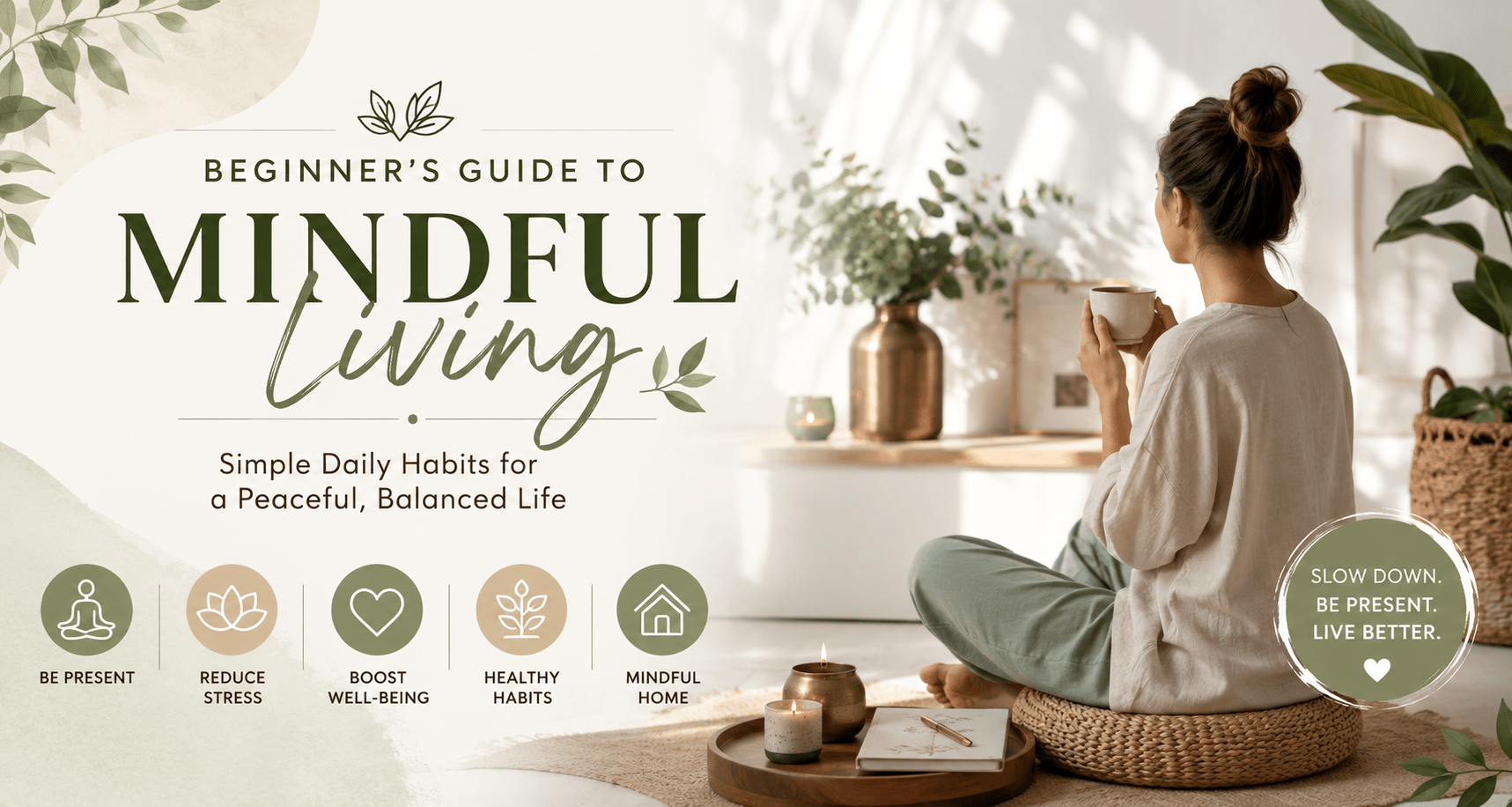
Beginner's Guide to Mindful Living | Simple Daily Habits
1.Introduction
In today's fast-paced world, it's easy to get caught up in endless to-do lists, constant notifications, and the pressure to always stay productive. Many of us rush through our daily routines without truly experiencing the present moment. Over time, this hectic lifestyle can lead to stress, anxiety, and mental exhaustion.
Mindful living offers a refreshing way to slow down and reconnect with yourself. It is the practice of being fully present in each moment—whether you're enjoying your morning tea, spending time with loved ones, working, or simply taking a walk. Instead of dwelling on the past or worrying about the future, mindfulness encourages you to focus on what is happening right now with awareness and intention.
The beauty of mindful living is that it doesn't require major lifestyle changes. Small, consistent habits—such as mindful breathing, expressing gratitude, reducing distractions, and creating a peaceful home environment—can have a lasting impact on your overall well-being.
In this beginner's guide, you'll discover what mindful living really means, why it matters, its key benefits, and practical ways to incorporate mindfulness into your daily routine. Whether you're just starting your wellness journey or looking to bring more balance into your life, these simple practices can help you cultivate a calmer mind, a healthier lifestyle, and a greater sense of inner peace.
 (A woman practicing mindful meditation with a cup of tea in a bright, peaceful living room featuring indoor plants, a traditional brass diya, natural décor, and a calm, clutter-free home environment.)
⭐Mindful Living at a Glance
What is Mindful Living?
Living with awareness, intention, and gratitude by focusing on the present moment.
Who Can Practice It?
Anyone—students, professionals, homemakers, parents, or retirees—can incorporate mindfulness into their daily routine.
Key Benefits
-
Reduces stress and anxiety
-
Improves focus and concentration
-
Supports emotional well-being
-
Encourages healthier habits
-
Promotes better sleep
-
Creates a peaceful home environment
Time Needed
Just 10–15 minutes a day can help you build a mindful lifestyle.
Best Ways to Start
Practice mindful breathing, limit digital distractions, express gratitude, and create a calm, clutter-free space at home.
2.What is Mindful Living?
Mindful living is the practice of being fully aware of the present moment while paying attention to your thoughts, feelings, and surroundings without judgment. Instead of rushing through daily tasks on autopilot, mindfulness encourages you to slow down and engage with each moment consciously.
At its core, mindful living is about living with intention. It means focusing on what you are doing right now rather than constantly worrying about the future or replaying events from the past. Whether you're preparing a meal, working on a project, talking to a friend, or taking a walk in nature, mindfulness helps you experience these moments with greater clarity and appreciation.
Many people believe mindfulness is only about meditation, but it's much broader than that. While meditation is one way to practice mindfulness, you can also be mindful while eating, exercising, cleaning your home, reading a book, or even drinking a cup of tea. The goal is to bring your full attention to the activity instead of letting your mind wander.
Mindful living also involves becoming more aware of your habits, emotions, and reactions. Rather than reacting impulsively to stressful situations, mindfulness teaches you to pause, reflect, and respond thoughtfully. Over time, this simple shift can improve emotional balance, strengthen relationships, and help you make healthier decisions.
Ultimately, mindful living isn't about achieving perfection—it's about making small, intentional choices each day that lead to a calmer mind, a healthier body, and a more meaningful life.
 (A mindful living setup featuring a gratitude journal, herbal tea, yoga mat, indoor plants, a lit candle, and traditional brass diyas in a peaceful, sunlit home designed for meditation, relaxation, and daily mindfulness practices.)
3.Why Mindfulness Matters?
Modern life is busier than ever. From balancing work and family responsibilities to managing digital distractions and endless notifications, many people find themselves constantly multitasking. While staying busy may seem productive, it often leaves little room to pause, reflect, and truly enjoy everyday experiences. This is where mindful living becomes especially important.
Mindfulness helps you break free from the habit of living on autopilot. Instead of rushing through your day, it encourages you to slow down, pay attention to your thoughts and actions, and appreciate the present moment. This simple shift in perspective can reduce feelings of stress and help you feel more grounded, even during challenging times.
Practicing mindfulness also improves self-awareness. When you become more conscious of your emotions and reactions, you're better equipped to respond calmly instead of reacting impulsively. Over time, this can strengthen relationships, improve decision-making, and help you handle life's ups and downs with greater confidence.
Another reason mindfulness matters is its positive impact on overall well-being. Being fully present while eating, working, exercising, or spending time with loved ones can make these everyday moments more meaningful. Rather than constantly worrying about the future or dwelling on the past, mindfulness teaches you to focus on what you can control right now.
In a world filled with constant distractions, mindful living is not about escaping reality—it's about learning to live each day with greater awareness, gratitude, and purpose. Research also highlights the benefits of mindfulness. According to the American Psychological Association (APA), mindfulness practices can help people manage stress, improve emotional regulation, and enhance overall well-being. Even a few minutes of mindful breathing each day can positively influence how you respond to everyday challenges. Even a few minutes of mindfulness each day can lead to lasting improvements in your mental, emotional, and physical well-being.
4.Benefits of Mindful Living
Practicing mindfulness doesn't require a complete lifestyle change. Even small moments of awareness each day can have a positive impact on your overall well-being. Here are some of the key benefits of mindful living.
 (A peaceful mindfulness corner with indoor plants, a brass urli filled with flowers, brass diyas, a Ganesha idol, herbal tea, and a yoga mat, creating a calming home space for meditation, prayer, and mindful living.)
1. Reduces Stress and Anxiety
One of the biggest benefits of mindful living is its ability to reduce everyday stress. By focusing on the present instead of worrying about what might happen next, mindfulness helps calm racing thoughts and promotes a sense of inner peace. Regular mindfulness practices, such as deep breathing or meditation, can help you feel more relaxed and emotionally balanced.
2. Improves Focus and Concentration
In today's digital world, distractions are everywhere. Mindfulness trains your mind to stay focused on one task at a time instead of constantly switching between activities. This improves concentration, boosts productivity, and helps you complete tasks more efficiently.
3. Supports Better Emotional Well-being
Mindful living encourages you to observe your emotions without judging them. Instead of reacting impulsively to difficult situations, you learn to respond with patience and understanding. Over time, this can improve emotional resilience and help you maintain a positive outlook on life.
4. Encourages Healthier Lifestyle Choices
When you're more aware of your daily habits, it becomes easier to make healthier decisions. Mindfulness can help you eat more consciously, improve your sleep routine, stay physically active, and avoid unhealthy habits driven by stress or distractions.
5. Strengthens Relationships
Being fully present during conversations allows you to listen more carefully and communicate more effectively. Mindful living encourages empathy, patience, and understanding, helping you build stronger relationships with family, friends, and colleagues.
6. Promotes Better Sleep
Many people struggle to fall asleep because their minds are filled with worries and unfinished tasks. Practicing mindfulness before bedtime, such as deep breathing or gratitude journaling, can help quiet the mind and improve sleep quality.
Mindfulness is also commonly recommended as part of healthy sleep routines. Relaxation techniques such as mindful breathing, meditation, and gratitude journaling can help quiet an overactive mind, making it easier to fall asleep and enjoy more restful sleep
7. Creates a More Peaceful Home Environment
Mindfulness isn't limited to your thoughts—it can also influence your surroundings. Keeping your home clean, organized, and filled with calming elements like natural light, indoor plants, or handcrafted décor creates a peaceful atmosphere that supports relaxation and mental clarity.
8. Helps You Appreciate Life's Simple Moments
Perhaps the greatest benefit of mindful living is learning to slow down and enjoy everyday experiences. Whether it's watching the sunrise, sharing a meal with loved ones, or lighting a diya during your evening prayers, mindfulness teaches you to find joy in the little things that often go unnoticed.
🌿 Did You Know?
Research suggests that practicing mindfulness for just 10–15 minutes a day may help reduce stress, improve focus, and support emotional well-being. The key is consistency rather than duration.
⭐ Signs You Need More Mindfulness
Mindfulness isn't just for people who meditate or practice yoga—it's a valuable habit for anyone feeling overwhelmed by the demands of everyday life. If any of the following situations sound familiar, incorporating mindfulness into your routine could make a meaningful difference.
 (A family enjoying a peaceful evening together in a cozy, plant-filled living room with warm lighting, mindful reading, journaling, and natural home décor that promotes relaxation, connection, and mindful living.)
You Constantly Feel Busy
Do you often rush from one task to another without taking a moment to pause? A packed schedule can leave you feeling mentally exhausted. Mindfulness encourages you to slow down, prioritize what truly matters, and approach each task with greater clarity.
You Struggle to Stay Focused
If your attention is constantly pulled toward emails, social media, or endless notifications, you're not alone. Mindfulness trains your brain to focus on one task at a time, helping you become more productive and less distracted.
You React Quickly to Stress
Everyone experiences stressful situations, but mindfulness helps you respond thoughtfully instead of reacting impulsively. Taking a few deep breaths before responding can improve emotional control and reduce unnecessary conflict.
You Find It Difficult to Relax
Even after work, do you feel like your mind never switches off? If you're constantly thinking about tomorrow's responsibilities, mindfulness practices such as meditation, deep breathing, or quiet reflection can help you unwind and feel more present.
You Spend Too Much Time on Screens
Technology keeps us connected, but excessive screen time can also contribute to mental fatigue. If checking your phone has become an automatic habit, taking regular digital breaks can help you reconnect with yourself and the world around you.
You Rarely Enjoy the Present Moment
If you're always thinking about the next task instead of appreciating what's happening now, mindfulness can help you rediscover joy in everyday experiences—whether it's enjoying a cup of tea, reading a book, spending time with family, or simply watching the sunset.
Remember: You don't need to experience all of these signs to benefit from mindfulness. Even recognizing one or two of them is a great reason to begin practicing small, intentional habits every day.
🌿 Quick Self-Check
Are You Living Mindfully?
Take a moment to reflect.
✔ I often check my phone without thinking.
✔ I feel stressed even during my free time.
✔ I struggle to focus on one task.
✔ I rarely take time to slow down.
✔ I find it difficult to relax before bed.
5.Simple Daily Mindfulness Habits
The beauty of mindful living is that you don't need hours of free time or years of practice to experience its benefits. Small, intentional habits can make a significant difference in how you think, feel, and respond to everyday situations. Here are some simple ways to bring mindfulness into your daily routine.

(Mindfulness infographic showing simple daily habits for a calm and balanced lifestyle.)
Start Your Morning with Intention
How you begin your day often influences the rest of it. Instead of reaching for your phone as soon as you wake up, spend the first few minutes in silence. Take a few deep breaths, stretch your body, or enjoy a warm cup of tea without distractions. Setting a positive intention for the day can help you feel calmer and more focused.
Practice Mindful Breathing
Whenever you feel overwhelmed, pause for a moment and focus on your breathing. Slowly inhale through your nose, hold your breath for a few seconds, and exhale gently through your mouth. This simple exercise helps calm the nervous system, reduce stress, and bring your attention back to the present moment. Even five minutes of mindful breathing each day can have a noticeable impact on your mental well-being.
Eat Without Distractions
Mindful eating means giving your full attention to your meal instead of watching television or scrolling through your phone. Notice the colors, aromas, textures, and flavors of your food. Eating slowly not only helps you enjoy your meals more but also supports better digestion and prevents overeating.
Take Short Digital Breaks
Technology is an essential part of modern life, but constant notifications can easily distract and overwhelm us. Set aside a few moments each day to disconnect from your devices. A short walk, reading a book, or simply sitting quietly can refresh your mind and improve your focus.
Create a Peaceful Living Space
Your surroundings have a powerful influence on your state of mind. Keeping your home clean, organized, and clutter-free can help reduce mental stress and create a sense of calm. Adding natural elements, fresh flowers, indoor plants, or traditional décor pieces can make your space feel more peaceful and inviting. A quiet corner for meditation, prayer, or reading can also encourage you to pause and recharge during the day.
End the Day with Gratitude
Before going to bed, take a few minutes to reflect on your day. Think about three things you're grateful for, no matter how small they may seem. Practicing gratitude shifts your focus from what's lacking to what you already have, helping you end the day with a positive and peaceful mindset.
Remember, mindfulness isn't about making every day perfect. It's about making small, consistent choices that help you become more present, aware, and intentional. Over time, these simple habits can transform not only your daily routine but also your overall quality of life.
⭐ Beginner's Mindfulness Checklist
Building a mindful lifestyle doesn't require dramatic changes. Start with one or two habits and gradually make them part of your daily routine. Use this simple checklist to stay on track.
Daily Mindfulness Checklist
☐ Begin your day with 5–10 minutes of deep breathing.
☐ Avoid checking your phone immediately after waking up.
☐ Eat at least one meal without distractions.
☐ Take a 5-minute break to stretch or walk during the day.
☐ Practice gratitude by writing down three things you're thankful for.
☐ Spend a few minutes in prayer, meditation, or quiet reflection.
☐ Keep your living space clean and clutter-free.
☐ Reduce screen time at least 30 minutes before bedtime.
☐ Get 7–8 hours of quality sleep whenever possible.
☐ End your day by reflecting on one positive moment.
Pro Tip: Don't try to complete every habit on the first day. Choose two or three that feel achievable, and gradually build your routine over time. Consistency is far more valuable than perfection.
7-Day Mindfulness Challenge
Challenge yourself to practice one mindful habit each day.
|
Day |
Mindful Habit |
|
Day 1 |
Spend 5 minutes practicing mindful breathing. |
|
Day 2 |
Eat one meal slowly without using your phone. |
|
Day 3 |
Declutter one small area of your home. |
|
Day 4 |
Take a 15-minute walk while observing your surroundings. |
|
Day 5 |
Write down three things you're grateful for. |
|
Day 6 |
Create a peaceful prayer or meditation corner. |
|
Day 7 |
Enjoy one hour without social media or digital distractions. |
Remember: Mindfulness is built through small, consistent actions. Completing even one habit each day is a meaningful step toward a calmer and more balanced life.
6.Creating a Mindful Home
Mindful living isn't just about changing your mindset—it's also about creating an environment that supports peace, balance, and well-being. Since our homes are where we begin and end each day, the spaces around us have a significant impact on how we feel. A calm, organized, and thoughtfully designed home can help reduce stress, improve focus, and encourage moments of relaxation. Studies have shown that practicing mindfulness regularly can improve attention and cognitive performance. By training your mind to focus on the present, you may find it easier to complete tasks efficiently and reduce the mental fatigue caused by constant multitasking.
 (Mindful home with brass décor, indoor plants, and a peaceful meditation corner for calm living.)
Declutter Your Space
A cluttered home often leads to a cluttered mind. When every surface is filled with unnecessary items, it can become difficult to concentrate or truly unwind. Start by organizing one room or even one corner at a time. Keep only the items you use regularly or those that bring you joy. A clean and clutter-free space creates a sense of order and allows your mind to feel lighter.
Bring Nature Indoors
Nature has a calming effect on the mind. Adding indoor plants, fresh flowers, or natural materials like wood and stone can instantly make your home feel more peaceful. Open your windows whenever possible to let in fresh air and natural sunlight, creating a brighter and more uplifting atmosphere.
Design a Quiet Corner
You don't need an entire room to practice mindfulness. A small corner with a comfortable chair, floor cushion, or yoga mat can become your personal retreat. This space can be used for meditation, reading, journaling, prayer, or simply sitting in silence for a few minutes each day.
To make the space feel warm and inviting, you can add soft lighting, calming fragrances, handcrafted brass home décor, decorative brass diyas, or spiritual accents that inspire positivity and reflection. These timeless décor pieces not only enhance your interiors but also create a peaceful atmosphere for meditation and relaxation. These thoughtful details can transform an ordinary corner into a peaceful sanctuary within your home.
Choose Décor That Inspires Calm
Every decorative element in your home contributes to its overall atmosphere. Choosing timeless handcrafted pieces, earthy colours, natural textures, and meaningful décor can create a sense of warmth and harmony.Traditional brass home décor, elegant urli bowls, and beautifully crafted pooja essentials not only enhance the beauty of your home but also encourage moments of mindfulness, gratitude, and spiritual connection in everyday life
Creating a mindful home doesn't mean filling your space with expensive items—it means choosing pieces with purpose. When your surroundings reflect simplicity, comfort, and positivity, they naturally support a more peaceful and intentional way of living.
7.Common Mindfulness Myths
Although mindfulness has become increasingly popular, many people still have misconceptions about what it actually means. These myths often discourage beginners from giving it a try. Let's separate fact from fiction.
Myth 1: Mindfulness Is Only Meditation
One of the most common misconceptions is that mindfulness and meditation are the same. While meditation is a powerful way to practice mindfulness, it isn't the only way. You can be mindful while cooking, eating, walking, gardening, or even doing household chores. The key is to give your full attention to the present moment, no matter what you're doing.
Myth 2: You Need Hours of Free Time
Many people believe they need to dedicate long hours every day to practice mindfulness. In reality, even a few minutes of mindful breathing, quiet reflection, or gratitude can make a meaningful difference. Consistency is far more important than the amount of time you spend.
Myth 3: Mindfulness Means Emptying Your Mind
Mindfulness doesn't require you to stop thinking completely. Instead, it's about becoming aware of your thoughts without judging or reacting to them. When your mind wanders—which is completely natural—you simply bring your attention back to the present moment.
Myth 4: Mindfulness Is Only for People Experiencing Stress
While mindfulness is often recommended for managing stress and anxiety, its benefits go far beyond relaxation. It can help improve focus, strengthen relationships, encourage healthier habits, and bring greater awareness to everyday life. Anyone can practice mindfulness, regardless of age or lifestyle.
Myth 5: You Have to Be Perfect at It
There is no "perfect" way to practice mindfulness. Some days you may feel calm and focused, while other days your mind may wander frequently. That's completely normal. Mindfulness is a lifelong practice of learning, growing, and returning your attention to the present moment with patience and self-compassion.
The most important thing to remember is that mindfulness isn't about perfection—it's about progress. Every small step you take toward being more present can have a positive impact on your overall well-being.
Common Mindfulness Myths
Although mindfulness has become increasingly popular, many people still have misconceptions about what it actually means. These myths often discourage beginners from giving it a try. Let's separate fact from fiction.
 (Mindfulness myths infographic comparing common misconceptions with simple truths about mindful living.)
Myth 1: Mindfulness Is Only Meditation
One of the most common misconceptions is that mindfulness and meditation are the same. While meditation is a powerful way to practice mindfulness, it isn't the only way. You can be mindful while cooking, eating, walking, gardening, or even doing household chores. The key is to give your full attention to the present moment, no matter what you're doing.
Myth 2: You Need Hours of Free Time
Many people believe they need to dedicate long hours every day to practice mindfulness. In reality, even a few minutes of mindful breathing, quiet reflection, or gratitude can make a meaningful difference. Consistency is far more important than the amount of time you spend.
Myth 3: Mindfulness Means Emptying Your Mind
Mindfulness doesn't require you to stop thinking completely. Instead, it's about becoming aware of your thoughts without judging or reacting to them. When your mind wanders—which is completely natural—you simply bring your attention back to the present moment.
Myth 4: Mindfulness Is Only for People Experiencing Stress
While mindfulness is often recommended for managing stress and anxiety, its benefits go far beyond relaxation. It can help improve focus, strengthen relationships, encourage healthier habits, and bring greater awareness to everyday life. Anyone can practice mindfulness, regardless of age or lifestyle.
Myth 5: You Have to Be Perfect at It
There is no "perfect" way to practice mindfulness. Some days you may feel calm and focused, while other days your mind may wander frequently. That's completely normal. Mindfulness is a lifelong practice of learning, growing, and returning your attention to the present moment with patience and self-compassion.
The most important thing to remember is that mindfulness isn't about perfection—it's about progress. Every small step you take toward being more present can have a positive impact on your overall well-being.
8.Daily Routine for Beginners
Starting a mindfulness practice doesn't have to be complicated. You don't need to completely change your lifestyle or set aside hours every day. Instead, focus on adding a few mindful moments to your existing routine. As these habits become part of your daily life, you'll naturally begin to feel calmer, more focused, and more balanced.
 (Mindfulness daily routine infographic showing meditation, mindful eating, evening reading, and gratitude journaling for beginners.)
Here's a simple daily routine that beginners can follow:
Morning: Begin with a Calm Mind
If you enjoy starting your day with prayer or meditation, creating a dedicated space with meaningful pooja essentials and a beautifully crafted brass diya can help you begin each morning with a sense of peace, gratitude, and positive energy.
The first few minutes after waking up can shape the rest of your day. Instead of checking your phone immediately, take a few slow, deep breaths and allow yourself to wake up peacefully. Spend five to ten minutes stretching, meditating, or simply sitting in silence. If you enjoy prayer, this is also a wonderful time to express gratitude and set a positive intention for the day ahead.
Afternoon: Stay Present Throughout the Day
As the day gets busier, it's easy to lose focus and feel overwhelmed. Take short breaks between tasks to pause and breathe deeply. Eat your lunch without scrolling through your phone, and if possible, take a short walk outdoors. These small pauses help refresh your mind and improve concentration, making the rest of your day more productive.
Evening: Slow Down and Unwind
As your day comes to an end, create a relaxing evening routine that helps you transition into rest. Dim the lights, reduce screen time, or spend a few quiet moments reading, journaling, or practicing meditation. A peaceful environment can make it easier to let go of the day's stress and prepare your mind for quality sleep.
Before Bed: Practice Gratitude
End your day on a positive note by reflecting on three things you're grateful for. They don't have to be big achievements—even simple moments, like enjoying a delicious meal or spending time with family, are worth appreciating. Gratitude helps shift your mindset toward positivity and allows you to go to bed feeling content and at peace.
Remember: Progress Over Perfection
Mindfulness is a journey, not a destination. Some days you'll feel completely present, while other days your mind may wander—and that's perfectly okay. The goal isn't to be mindful every second of the day but to keep returning to the present moment whenever you can. By practicing these simple habits consistently, you'll gradually build a lifestyle that supports greater peace, clarity, and overall well-being.
Common Mistakes Beginners Make When Practicing Mindfulness
Starting a mindfulness journey is exciting, but many beginners expect immediate results or unknowingly develop habits that make the practice feel difficult. Understanding these common mistakes can help you build a more enjoyable and sustainable mindfulness routine.
Expecting Instant Results
One of the biggest misconceptions is that mindfulness will eliminate stress overnight. Like any healthy habit, mindfulness takes time and consistent practice. Instead of aiming for perfection, focus on making small improvements each day.
Trying to Empty Your Mind Completely
Many people believe mindfulness means stopping all thoughts. In reality, it's normal for your mind to wander. The goal isn't to eliminate thoughts but to notice them without judgment and gently bring your attention back to the present moment.
Practicing Only During Stressful Times
Mindfulness is most effective when it becomes part of your everyday routine—not just something you turn to during difficult moments. Practicing regularly helps you stay calm and resilient when challenges arise.
Comparing Your Journey to Others
Everyone experiences mindfulness differently. Some people feel calmer within a few days, while others notice gradual improvements over several weeks. Avoid comparing your progress and focus on building habits that work for your lifestyle.
Ignoring Your Environment
Your surroundings can influence your ability to relax and stay focused. A cluttered or noisy space may make mindfulness more challenging. Creating a clean, peaceful environment with natural light, indoor plants, and meaningful décor can help you practice with greater ease.
Giving Up Too Soon
It's common to miss a day or lose motivation in the beginning. Don't let a missed session discourage you. Mindfulness is a lifelong journey, and every opportunity to return to the present moment is a step forward.
Remember: Mindfulness isn't about being perfect every day—it's about showing up consistently. Even a few minutes of mindful breathing or quiet reflection can create meaningful changes over time.
🌿 Quick Reminder
Keep These Three Things in Mind
✔ Start small — Even 5–10 minutes a day is enough.
✔ Be patient — Progress happens gradually.
✔ Stay consistent — Small daily habits create lasting results.
9.Mindful Home Décor Tips
The way you decorate your home has a greater impact on your well-being than you might realize. A thoughtfully designed space can promote relaxation, improve focus, and create an atmosphere where you feel comfortable and at peace. Mindful home décor is not about following trends or filling every corner with decorative items—it's about choosing pieces that bring purpose, comfort, and positive energy into your home.
 (Mindful home décor featuring brass diyas, a Ganesha idol, indoor plants, and a peaceful meditation corner.)
Keep Your Space Simple and Organized
A clutter-free home encourages a clutter-free mind. Instead of overcrowding your rooms with unnecessary furniture or décor, choose a few meaningful pieces that complement your space. Keeping surfaces clean and organized creates a sense of calm and makes your home feel more inviting.
Embrace Natural Materials
Natural elements have a soothing effect on both the mind and body. Materials like brass, wood, clay, cotton, and stone add warmth and timeless elegance to your interiors. Pair them with indoor plants or fresh flowers to create a balanced and refreshing environment that connects your home with nature.
Create a Peaceful Prayer or Meditation Corner
Having a dedicated space for prayer, meditation, or quiet reflection can encourage you to pause and recharge every day. You don't need a large room—just a small corner with comfortable seating, soft lighting, and meaningful décor can make all the difference. Adding handicrafted brass diyas, brass idols, incense holders, or decorative urli bowls can transform a simple corner into a peaceful retreat. These timeless pieces help create a calming environment that encourages mindfulness and daily reflection.
Choose Warm and Soft Lighting
Lighting plays an important role in creating the mood of your home. Whenever possible, make the most of natural daylight during the day and switch to warm lighting in the evening. Soft illumination creates a relaxing atmosphere that helps you unwind after a busy day and supports a mindful evening routine.
Decorate with Purpose
Every item in your home should have a purpose, whether it's functional, sentimental, or aesthetically pleasing. Instead of decorating simply to fill empty spaces, select handcrafted pieces that reflect your personality and values. Timeless décor not only enhances the beauty of your home but also creates an environment where you can feel grounded and inspired.
Add Elements That Inspire Positivity
Small decorative touches can have a meaningful impact on the overall atmosphere of your home. Brass décor, traditional diyas, elegant urli bowls, indoor plants, soothing fragrances, and spiritual accents can help create a warm and peaceful space that encourages mindfulness and gratitude.
Remember, mindful home décor isn't about creating a perfect home—it's about creating a space that supports your well-being. When your surroundings are calm, organized, and filled with meaningful elements, they naturally inspire a more balanced and intentional way of living.
10 Simple Habits for Mindful Living
🌿It can include icons for:
🌅 Wake up without checking your phone
🧘 Practice deep breathing
🥗 Eat mindfully
📵 Reduce screen time
🚶 Take a mindful walk
🌿 Declutter your space
📖 Read for 10 minutes
🙏 Practice gratitude
💤 Sleep well
🏡 Create a peaceful home
10.Conclusion
Mindful living is not about making drastic changes or striving for perfection—it's about embracing small, intentional habits that help you enjoy the present moment. Whether it's practicing mindful breathing, expressing gratitude, creating a clutter-free home, or simply taking a few minutes each day to pause and reflect, every step contributes to a healthier and more balanced lifestyle.
Your home also plays an important role in supporting mindfulness. A peaceful, well-organized space filled with meaningful décor and calming elements can positively influence your mood and daily routine. By choosing simplicity over excess and surrounding yourself with items that inspire comfort and positivity, you create an environment where both your mind and body can thrive.
Your surroundings play an important role in your mindfulness journey. Creating a calm home with thoughtfully selected brass home décor, decorative urli bowls, and spiritual accents can help transform everyday moments into opportunities for relaxation, gratitude, and intentional living.
The greatest strength of mindfulness lies in its simplicity. Research and real-life experiences continue to show that small, consistent habits can make a meaningful difference over time. You don't need to change your entire lifestyle overnight—just begin with one mindful moment each day.
Remember, mindfulness is a journey that begins with one simple step. Start with a habit that feels right for you, stay consistent, and allow these small changes to become part of your everyday life. Over time, you'll discover that mindful living isn't just about finding peace—it's about living with greater awareness, gratitude, and purpose.
 (Peaceful mindfulness space with a gratitude journal, brass diya, Buddha statue, indoor plants, and sunset view promoting calm and mindful living.)
11.Frequently Asked Questions (FAQs)
1. What is mindful living?
Mindful living is the practice of being fully present and aware of your thoughts, emotions, and surroundings. It encourages you to live with intention, appreciate the present moment, and respond to life's situations calmly rather than reacting automatically.
2. How can beginners start practicing mindfulness?
Beginners can start with simple habits like mindful breathing, eating without distractions, taking short digital breaks, practicing gratitude, and spending a few quiet minutes each day in meditation or reflection. Consistency is more important than the amount of time you spend.
3. Is mindfulness the same as meditation?
No. Meditation is one way to practice mindfulness, but mindfulness can also be practiced during everyday activities such as walking, cooking, working, or having conversations. The goal is to stay fully present in whatever you're doing.
4. What are the benefits of mindful living?
Mindful living can help reduce stress, improve focus, support emotional well-being, encourage healthier habits, strengthen relationships, improve sleep quality, and promote a greater sense of balance and happiness.
5. How can home décor support mindful living?
A clean, organized, and thoughtfully decorated home creates a calming atmosphere that supports relaxation and mental clarity. Natural materials, warm lighting, indoor plants, and meaningful décor such as brass diyas, urli bowls, and pooja essentials can help create a peaceful environment that encourages mindfulness.
6. How long does it take to see the benefits of mindfulness?
Some people notice a sense of calm after just a few minutes of mindful breathing, while lasting benefits develop with regular practice. Even spending 10–15 minutes a day on mindfulness can make a positive difference over time.
Read more

Ayurvedic Daily Routine: Ancient Wisdom for Modern Living
Discover how an Ayurvedic daily routine (Dinacharya) can improve your physical, mental, and emotional well-being. Learn simple morning and evening rituals, healthy habits, dosha-based practices, an...
Read more